




what is Titanium Electrodes for Salt Water Electrolysis?
Superior Performance and Broad Applications of Titanium Electrodes in Saltwater Electrolysis
Saltwater electrolysis technology continues to expand its significance in modern industrial applications, covering numerous fields from water treatment to chemical production. As a core component of this process, the selection of electrode materials directly determines the efficiency and reliability of the system. Among various available materials, titanium electrodes have emerged as the dominant choice for saltwater electrolysis applications due to their outstanding comprehensive performance. This article will provide an in-depth analysis of the key advantages of titanium electrodes in saltwater electrolysis and explain why they have become the preferred solution in this field.

Overview of Saltwater Electrolysis Process Principles
Before delving into titanium electrodes, it is essential to briefly understand the basic principles of saltwater electrolysis. This electrochemical process decomposes saline solutions (brine) into their constituent elements by applying direct current. The primary products include chlorine gas, hydrogen, and sodium hydroxide, all of which hold significant value across various industrial sectors.
In this process, electrodes play a dual role: they serve as conductors for electric current and as sites for electrochemical reactions. The performance of the electrode materials directly impacts the efficiency, service life, and economic viability of the entire system. Selecting appropriate electrode materials can significantly enhance process efficiency, reduce maintenance requirements, and improve the long-term stability of the system.
Core Advantages of Titanium Electrodes in Saltwater Electrolysis
The widespread application of titanium electrodes in saltwater electrolysis is attributed to their unique combination of properties, making them particularly suitable for addressing the challenges of highly corrosive, high-current-density process environments.
Exceptional Corrosion Resistance
The saltwater electrolysis environment is highly corrosive, with high concentrations of chloride ions and reactive substances generated during electrochemical reactions posing significant challenges to electrode materials. Titanium naturally forms a dense and stable oxide layer on its surface, providing lasting protection that maintains structural integrity and performance stability even in strongly corrosive electrolytes.
Excellent Electrical Conductivity and Catalytic Activity
To improve current efficiency and reduce energy consumption, electrodes must possess outstanding electrical conductivity and catalytic activity. Combining titanium substrates with specialized catalytic coatings (such as Mixed Metal Oxides, MMO) enables efficient electron transfer and reaction catalysis, significantly enhancing the overall energy efficiency of the electrolysis process.
Outstanding Mechanical Strength and Durability
Industrial electrolysis processes often operate continuously under high temperature and pressure conditions. The inherent high strength and fatigue resistance of titanium allow it to withstand the mechanical and thermal stresses of long-term operation, ensuring electrode structural stability and reducing downtime caused by deformation or damage.
Customizable Coating Technology
Titanium substrates serve as ideal carriers for various high-performance catalytic materials, including precious metals (such as platinum and iridium) and their oxides. This flexibility enables electrodes to be optimized for different target products (e.g., chlorine gas, sodium hypochlorite), improving selectivity and efficiency for desired reactions.
Long Lifespan and Economic Advantages
Although the initial investment in titanium electrodes may be higher than some traditional materials, their significantly extended service life (typically several years to over a decade), lower maintenance requirements, and higher operational efficiency result in clear advantages in terms of total lifecycle costs. This provides substantial economic benefits for industrial users engaged in continuous production.
Primary Application Scenarios
• Chlor-Alkali Industry: As core electrode materials for the production of chlorine gas, caustic soda, and hydrogen, high-performance coated titanium electrodes effectively improve current efficiency and product purity while reducing specific energy consumption.
• Water Treatment Disinfection Systems: Used for on-site production of disinfectants such as sodium hypochlorite, replacing chemical storage and dosing to enhance safety and achieve precise dosage control.
• Seawater Desalination and Desalting Processes: Serve as stable, corrosion-resistant electrode materials in membrane technologies like electrodialysis, contributing to efficient and sustainable freshwater production.
• Electrochemical Synthesis: Used in the production of fine chemicals such as chlorates and perchlorates. Their controllable reaction interfaces and stable output facilitate process optimization and product consistency.
• Impressed Current Cathodic Protection: Serve as durable auxiliary anodes in marine engineering, port facilities, and underground pipeline networks, providing long-term and reliable corrosion protection for steel structures.
As global demands for green processes and resource efficiency continue to increase, titanium electrodes—with their corrosion resistance, high efficiency, long lifespan, and customizable characteristics—will continue to play a key role in saltwater electrolysis and related fields. Advancements in materials science and coating technology will further expand their performance boundaries and application scope.
BAOJI NINGHAO INDUSTRY AND TRADE CO., LTD. specializes in the research, development, and manufacturing of high-performance titanium electrodes, providing comprehensive support ranging from material selection and electrode design to process optimization. For more technical information or customized solutions, please contact us at sales02@nh-ti.com.
References
1. Chen, G., et al. (2021). Performance Optimization of Coated Titanium Electrodes in Industrial Brine Electrolysis. Electrochimica Acta, 398, 139-152.
2. International Electrochemical Society. (2023). Guidelines for Electrode Selection in Chlor-Alkali Processes (Technical Report No. IES-2023-05).
3. Wang, L., & Zhang, H. (2022). Corrosion Mechanisms and Protection Strategies for Titanium Anodes in Chloride Media. Corrosion Science, 205, 110420.
4. European Water Association. (2021). Best Practices in Electrochemical Water Disinfection. EWA Publishing.
YOU MAY LIKE
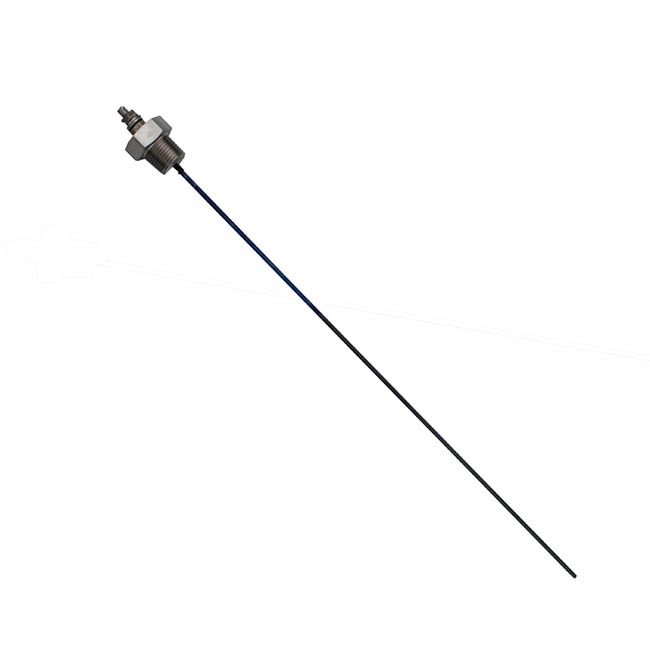 VIEW MOREtitanium probe anode
_1769584597435.webp) VIEW MOREMMO Tubular Anode
VIEW MOREMMO Tubular Anode_1767930836092.webp) VIEW MOREelectrolysis titanium electrode anode
VIEW MOREelectrolysis titanium electrode anode_1768298165832.webp) VIEW MOREMMO Anode for Zinc Electrowinning Cell
VIEW MOREMMO Anode for Zinc Electrowinning Cell_1755237777688.webp) VIEW MOREChlor-alkali electrolyzer
VIEW MOREChlor-alkali electrolyzer_1755237800856.webp) VIEW MORETitanium anode for chlor-alkali industry
VIEW MORETitanium anode for chlor-alkali industry_1755238003946.webp) VIEW MORETitanium electrodes for electrochemical water treatment
VIEW MORETitanium electrodes for electrochemical water treatment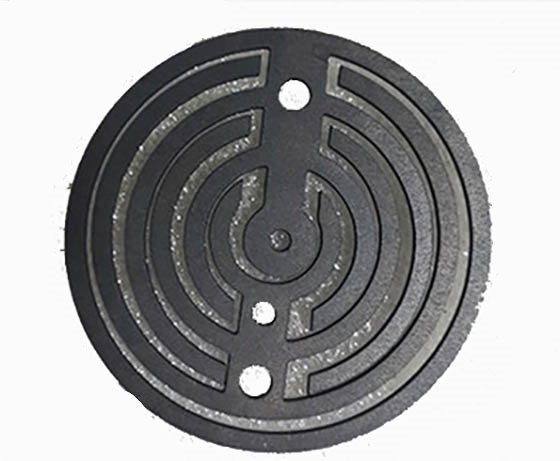 VIEW MORETitanium electrode for fruit and vegetable electrolysis