




Applications of Titanium Anodes in Electroplating and Surface Finishing
Titanium anodes—especially those coated with platinum or mixed metal oxides (MMO)—are essential components in modern electroplating and surface finishing processes. Known for their excellent corrosion resistance, electrical conductivity, and structural stability, titanium anodes help ensure uniform metal deposition, enhance coating quality, and reduce maintenance downtime in a wide range of industrial and precision plating applications.
What is Electroplating and Surface Finishing?
Electroplating is the process of depositing a thin layer of metal onto the surface of a workpiece using an electric current. The anode (positive electrode) supplies metal ions or facilitates oxidation reactions, while the cathode (negative electrode) is the substrate being plated.
Surface finishing involves refining the surface of materials for enhanced appearance, corrosion resistance, conductivity, or durability. Electroplating is one of the most common surface finishing methods used across various industries.
Why Use Titanium Anodes?
Titanium is used as a stable, non-consumable substrate for inert anodes, typically coated with:
Platinum (Pt) for noble metal plating and high-precision applications
Mixed Metal Oxides (MMO) like IrO₂, RuO₂, or Ta₂O₅ for cost-effective, high-performance oxidation in plating baths
Key Benefits:
Excellent Corrosion Resistance: Withstands acidic or alkaline electrolytes
Stable Electrochemical Performance: Maintains consistent current output
Long Service Life: Reduces replacement frequency and operational costs
Uniform Current Distribution: Enhances plating quality and deposit thickness
Low Maintenance: Non-dissolving anodes avoid contamination of plating solutions
Key Electroplating Applications
1. Nickel Plating
Titanium anodes are used in nickel electroplating, especially in non-consumable anode systems. In sulfamate or sulfate nickel baths, platinum-coated titanium anodes offer:
Precise current control
Elimination of anode sludge
Improved bath life and surface smoothness
2. Gold and Silver Plating
For decorative or electronic applications, titanium anodes coated with platinum ensure:
High-purity metal deposition
Uniform color and thickness
Resistance to passivation in cyanide-based or neutral baths
3. Chrome Plating (Hexavalent and Trivalent)
MMO titanium anodes are increasingly used in trivalent chrome plating as a safer alternative to lead-based systems. They offer:
Higher energy efficiency
Compliance with environmental regulations (RoHS, REACH)
Enhanced deposition control
4. Copper Electroplating
Titanium anodes are used in acid copper plating for:
Printed Circuit Board (PCB) manufacturing
Semiconductor wafer processing
Automotive connectors and terminals
Their non-dissolving nature helps maintain stable copper ion concentration when combined with soluble copper anode baskets.
5. Electroforming
In precision manufacturing (e.g., molds, medical devices, aerospace parts), titanium anodes ensure:
High-fidelity replication of master patterns
Accurate thickness control
Long-lasting performance in complex electrolyte systems
Typical Titanium Anode Types for Surface Finishing
| Anode Type | Coating Type | Key Applications |
|---|---|---|
| Titanium Mesh Anode | Pt or MMO | Uniform plating of large or complex parts |
| Titanium Plate Anode | Pt or MMO | Hard chrome, nickel, copper, gold plating |
| Titanium Rod Anode | Pt or MMO | Small part plating, barrel and rack plating |
| Titanium Basket Anode | Uncoated (with metal pieces) | Used with soluble anode chips (e.g., Cu, Ni) |
Advantages Over Traditional Anodes
| Feature | Titanium Anodes | Lead/Soluble Anodes |
|---|---|---|
| Lifespan | 5–10+ years | 1–2 years |
| Electrolyte contamination | None | Frequent due to metal dissolution |
| Maintenance | Minimal | Requires regular cleaning/replacement |
| Current Efficiency | High | Moderate |
| Environmental impact | Low (non-toxic) | High (waste and sludge) |
Industries Benefiting from Titanium Anode Electroplating
Electronics (PCBs, semiconductors, contacts)
Automotive (chrome-plated trims, connectors, fuel system parts)
Aerospace (high-performance coatings for engine and structural components)
Jewelry & Watches (gold, silver, rhodium decorative plating)
Medical Devices (electroformed implants and tools)
Tooling & Molding (nickel-based electroforming)
Conclusion
Titanium anodes are critical to achieving high-performance, sustainable, and precise results in electroplating and surface finishing. Their ability to maintain stable operation in aggressive electrolytic environments, paired with their durability and eco-friendly nature, positions them as a superior alternative to conventional anode materials.
As industries demand cleaner processes, better coating control, and longer equipment life, the use of titanium anodes—especially in platinum or MMO-coated form—will continue to expand across global surface finishing sectors.
YOU MAY LIKE
_1755236535680.webp) VIEW MORETitanium anodes for electrolytic acid-base ionized water
VIEW MORETitanium anodes for electrolytic acid-base ionized water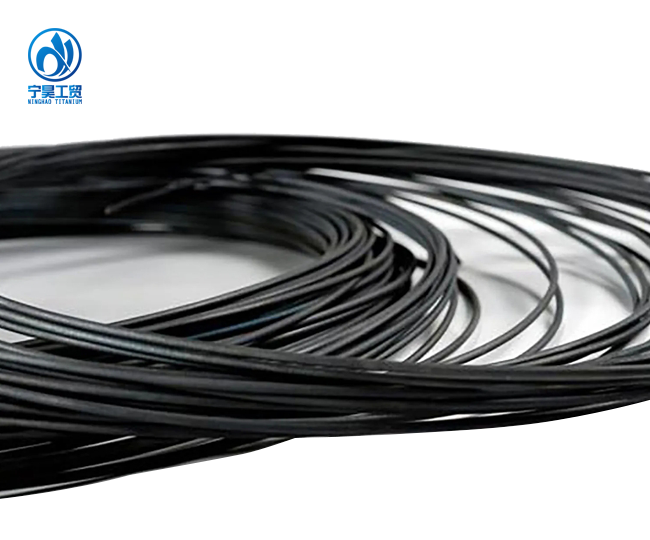 VIEW MOREMMO titanium wire anode
_1767930836092.webp) VIEW MOREelectrolysis titanium electrode anode
VIEW MOREelectrolysis titanium electrode anode_1755237342167.webp) VIEW MOREmmo coated titanium anodes
VIEW MOREmmo coated titanium anodes_1755237824861.webp) VIEW MORETitanium anode for disinfection
VIEW MORETitanium anode for disinfection_1770023968475.webp) VIEW MORElridium Coated Titanium Anode for PCB Reverse Pulse Copper Plating
VIEW MORElridium Coated Titanium Anode for PCB Reverse Pulse Copper Plating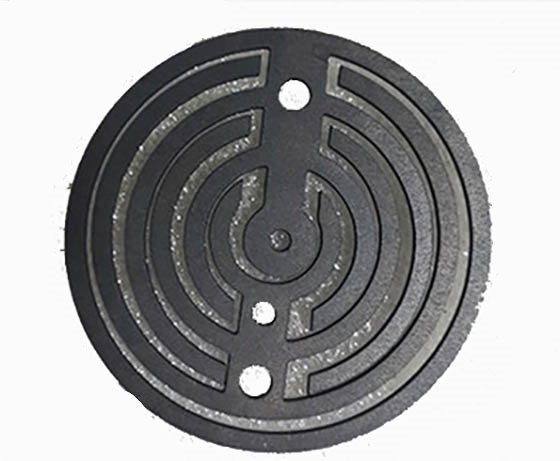 VIEW MORETitanium electrode for fruit and vegetable electrolysis
_1768467845488.webp) VIEW MOREMixed Metal Oxide Anode for Electrochemical AmmoniaRemoval
VIEW MOREMixed Metal Oxide Anode for Electrochemical AmmoniaRemoval