




Applications of Titanium Anodes in Water Treatment and Electrochlorination
Titanium anodes have revolutionized the field of water treatment, particularly through their role in electrochlorination—an advanced and eco-friendly method of generating disinfectants on-site. Due to their corrosion resistance, high conductivity, and long operational life, titanium anodes (especially those coated with mixed metal oxides, or MMO) are now essential components in municipal, industrial, and marine water treatment systems.
What Is Electrochlorination?
Electrochlorination is a process that uses electric current to produce sodium hypochlorite (NaClO) by electrolyzing a solution of sodium chloride (common salt) in water. The electrochemical reaction occurs in an electrolyzer, where titanium anodes serve as the key electrodes for chlorine generation:
Basic Reaction:
2Cl⁻ → Cl₂ (gas at anode)
Cl₂ + H₂O → HOCl + H⁺ + Cl⁻
HOCl ⇌ H⁺ + OCl⁻ (active chlorine species for disinfection)
This method is widely regarded as safer and more efficient than using chlorine gas or purchasing commercial sodium hypochlorite, which can degrade over time and pose handling risks.
Why Use Titanium Anodes in Electrochlorination?
Titanium anodes are the preferred material in electrochlorination for the following reasons:
Corrosion Resistance: Titanium is highly resistant to chlorine, hypochlorite, and seawater environments.
MMO Coating: Mixed metal oxide coatings (typically IrO₂, RuO₂, or Ta₂O₅) enhance catalytic activity while reducing energy consumption.
Long Service Life: MMO-coated titanium anodes can operate efficiently for 5–15 years, depending on conditions.
Low Maintenance: Stable anode performance reduces the need for frequent replacement or cleaning.
Environmental Safety: On-site chlorine production minimizes transportation and storage of hazardous chemicals.
Key Application Areas
1. Municipal Water Treatment Plants
Titanium anodes are used to disinfect potable water by generating sodium hypochlorite in-situ. This eliminates the need for bulk chemical dosing and ensures consistent water quality for large populations.
2. Wastewater Treatment
In both industrial and municipal sewage systems, electrochlorination with titanium anodes helps:
Kill bacteria and viruses in effluent
Remove organic contaminants
Reduce odor and sludge volume
3. Seawater Desalination Plants
Titanium anodes are ideal for marine-grade electrochlorinators, which protect reverse osmosis membranes and intake lines by generating chlorine from raw seawater. This prevents biofouling and scaling without chemical additives.
4. Cooling Towers and Industrial Circuits
In industrial processes, titanium anode-based electrochlorination systems control microbial growth and corrosion in cooling towers, condensers, and pipelines. These systems reduce the need for chemical biocides.
5. Ballast Water Treatment in Ships
International maritime regulations now require onboard disinfection of ballast water. Compact electrochlorination units with titanium anodes ensure compliance by generating chlorine directly from seawater during ship operation.
System Types Using Titanium Anodes
| System Type | Typical Anode Material | Application Focus |
|---|---|---|
| Seawater Electrochlorinator | MMO-coated titanium (IrO₂/Ta₂O₅) | Desalination, marine biofouling control |
| Brine Electrolyzer | Pt or MMO titanium | Industrial NaClO generation |
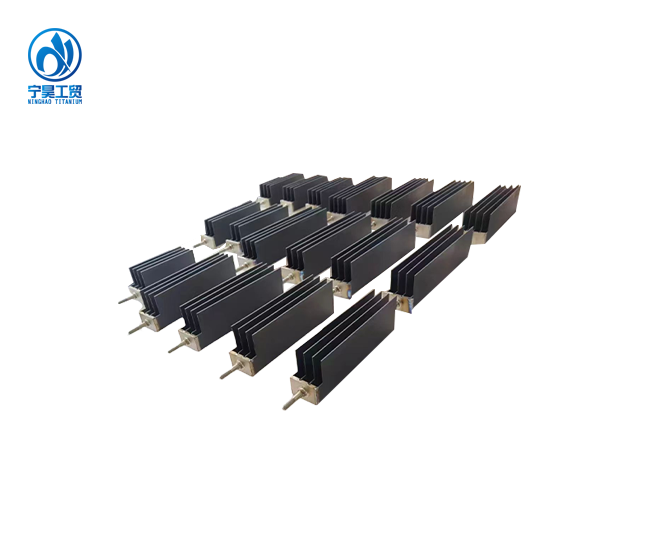
| Tubular Anode Systems | MMO titanium rods or tubes | High-capacity water disinfection |
| Flow-Through Cells | Titanium mesh or plate anodes | Municipal water and wastewater treatment |
Environmental and Economic Benefits
Chemical-Free Operation: Reduces environmental risks and logistics costs.
Energy Efficiency: Titanium anodes with optimized coatings minimize overpotentials and energy loss.
Sustainability: On-site generation reduces carbon footprint and chemical dependency.
Conclusion
Titanium anodes are a cornerstone of modern water treatment and electrochlorination technologies. Their robust performance, safety advantages, and adaptability to various water sources make them indispensable in efforts to provide clean, safe, and sustainable water solutions across the globe. As environmental regulations tighten and infrastructure modernizes, the demand for efficient anode systems—especially MMO titanium anodes—will continue to rise.
YOU MAY LIKE
_1755236491406.webp) VIEW MORETitanium anode plate for electrodeposition of non-ferrous metals
VIEW MORETitanium anode plate for electrodeposition of non-ferrous metals_1767855535474.webp) VIEW MOREelectroplating titanium electrode
VIEW MOREelectroplating titanium electrode_1767944398226.webp) VIEW MOREtitanium electrode for electrolysis
VIEW MOREtitanium electrode for electrolysis_1755237600066.webp) VIEW MORETitanium Plate Anode for Electrowinning of Cobalt
VIEW MORETitanium Plate Anode for Electrowinning of Cobalt_1768984222648.webp) VIEW MOREplatinized titanium anode for electrolysis
VIEW MOREplatinized titanium anode for electrolysis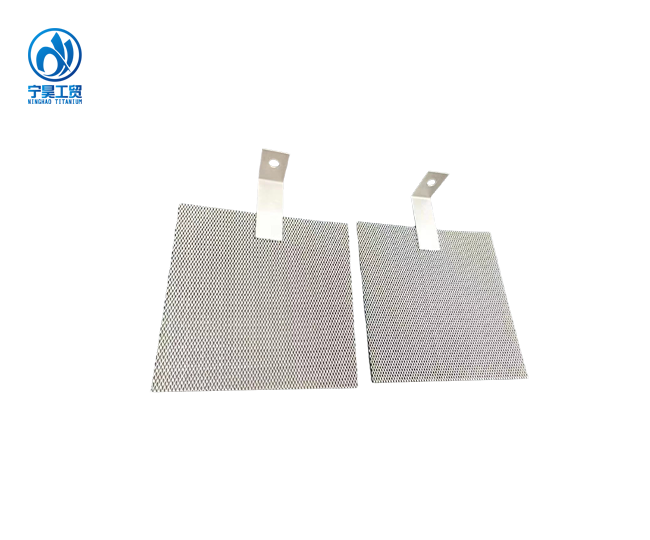 VIEW MOREPlatinum Coated Titanium Electrodes
 VIEW MORESelf clean salt chlorine generator for pool
_1755237855339.webp) VIEW MOREMMO Anode for Copper Plating of Printed Circut Boards
VIEW MOREMMO Anode for Copper Plating of Printed Circut Boards