




Applications of Titanium Anodes in Metal Recovery and Electrowinning
Titanium anodes—especially those coated with Mixed Metal Oxides (MMO) or Platinum—play a vital role in metal recovery and electrowinning processes. These technologies are crucial in the mining, metallurgy, and waste recycling industries, enabling the efficient extraction and purification of metals from ores, industrial wastewater, and spent electrolyte solutions. Titanium anodes offer superior electrochemical performance, long-term stability, and resistance to harsh environments, making them the ideal choice for demanding hydrometallurgical operations.
What is Electrowinning?
Electrowinning is an electrochemical process used to recover metals from aqueous solutions, particularly in mining and refining operations. In this process:
The metal ions in solution migrate to the cathode, where they are reduced and deposited as solid metal.
The anode completes the electrical circuit, often facilitating oxidation reactions in the electrolyte.
Titanium anodes are used as inert or dimensionally stable anodes that do not dissolve during electrolysis. Their coatings (e.g., MMO or platinum) catalyze specific anodic reactions, such as oxygen or chlorine evolution, without contaminating the solution.
Advantages of Titanium Anodes in Electrowinning
High Corrosion Resistance: Operate effectively in acidic, alkaline, and chloride-rich electrolytes.
Inert and Non-Contaminating: Do not introduce impurities into the metal product or electrolyte.
Long Service Life: Typically lasts several years, even in aggressive leach solutions.
Energy Efficiency: MMO or Pt coatings reduce overpotentials, lowering operational costs.
Stable Current Distribution: Ensures uniform metal deposition and improves product quality.
Low Maintenance: Unlike lead or graphite anodes, titanium anodes require little cleaning or replacement.
Commonly Recovered Metals Using Titanium Anodes
1. Copper (Cu)
Copper is one of the most commonly recovered metals using electrowinning. Titanium anodes with MMO coatings are used in:
Acidic sulfate-based electrolytes (e.g., CuSO₄-H₂SO₄)
High-purity copper production
Reprocessing of e-waste and copper plating baths
2. Zinc (Zn)
Zinc is recovered from both oxide and sulfide ores via hydrometallurgical techniques. Titanium anodes are employed in:
Chloride-based electrolyte systems
Zinc recovery from spent battery and galvanizing waste
3. Nickel (Ni) and Cobalt (Co)
Titanium anodes are ideal for electrowinning nickel and cobalt in:
High-temperature chloride or sulfate electrolytes
Laterite ore processing
Battery metal recycling (e.g., Li-ion batteries)
4. Manganese (Mn)
Titanium anodes are used in the production of Electrolytic Manganese Dioxide (EMD), a key component in alkaline and lithium batteries. Benefits include:
Uniform MnO₂ deposition
High purity and controlled morphology
5. Rare and Precious Metals
Electrowinning of metals such as gold (Au), silver (Ag), palladium (Pd), and platinum (Pt) from leach liquors or industrial effluents benefits from:
High current efficiency
Clean, contamination-free metal deposition
Applications in Wastewater and Industrial Effluent Recovery
Titanium anodes are also used to recover valuable metals from:
Electroplating rinse waters
Metal-finishing industry wastewater
Acid mine drainage
Spent catalysts and chemical solutions
The use of titanium anodes in metal recycling aligns with sustainable practices by minimizing waste and reclaiming resources from secondary sources.
Typical Titanium Anode Types for Electrowinning
| Anode Form | Coating Type | Application Use Case |
|---|---|---|
| Titanium Plate Anode | MMO / Pt | Copper, cobalt, nickel, zinc recovery |
| Titanium Mesh Anode | MMO / Pt | High-surface-area plating, EMD production |
| Titanium Rod Anode | MMO | Small-scale or vertical cell setups |
| Titanium Basket Anode | Uncoated (with soluble metal) | Hybrid systems with copper/nickel chips |
Advantages Over Traditional Anodes
| Feature | Titanium Anodes | Lead or Graphite Anodes |
|---|---|---|
| Service Life | 5–10+ years | 6 months – 2 years |
| Product Purity | High (no contamination) | Medium (anode dissolution possible) |
| Environmental Impact | Low | High (toxic sludge, disposal issues) |
| Maintenance Requirement | Minimal | Frequent cleaning/replacement |
| Energy Efficiency | High | Lower |
Industry Sectors Using Titanium Anode Electrowinning
Mining and Metallurgy (primary extraction from ores)
E-waste Recycling (precious metal recovery)
Battery Manufacturing (EMD production, cobalt/nickel refining)
Surface Finishing and Electroplating
Industrial Waste Treatment (metal recovery from wastewater)
Conclusion
Titanium anodes are a cornerstone in modern metal recovery and electrowinning operations. Their resistance to corrosion, ability to operate under harsh chemical conditions, and long-term cost-effectiveness make them an ideal choice for industries focused on efficient, sustainable, and high-purity metal production. As global demand for critical metals rises—especially in renewable energy and battery sectors—the role of titanium anodes in advanced electrowinning systems will continue to grow.
YOU MAY LIKE
_1755851444116.webp) VIEW MOREiccp mmo coated titanium anodes
VIEW MOREiccp mmo coated titanium anodes_1769589643810.webp) VIEW MORETitanium anodes for cathodic protection of reinforced concrete buildings
VIEW MORETitanium anodes for cathodic protection of reinforced concrete buildings_1755236711229.webp) VIEW MOREMMO Ti flexible anode
VIEW MOREMMO Ti flexible anode_1767776137026.webp) VIEW MOREtitanium electrode for salt water electrolysis
VIEW MOREtitanium electrode for salt water electrolysis_1755236889736.webp) VIEW MOREtitanium mmo anode
VIEW MOREtitanium mmo anode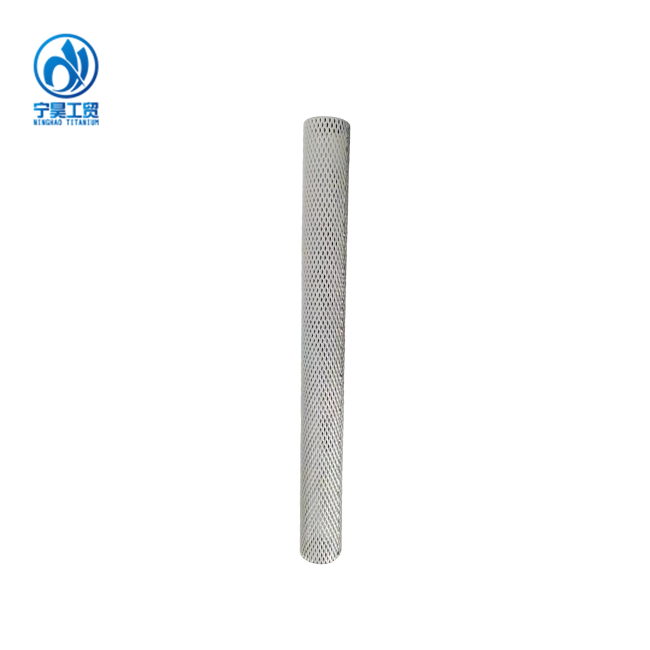 VIEW MOREcustomized platinized titanium anode
_1768467845488.webp) VIEW MOREMixed Metal Oxide Anode for Electrochemical AmmoniaRemoval
VIEW MOREMixed Metal Oxide Anode for Electrochemical AmmoniaRemoval_1768809598553.webp) VIEW MOREMMO Anode for Ammonia Removal
VIEW MOREMMO Anode for Ammonia Removal