




Selecting High-Quality Titanium Electrodes
In the field of electrochemical applications, the quality of titanium electrodes for saltwater electrolysis directly impacts the operational efficiency and long-term stability of the entire system. With technological advancements, the market offers a mix of electrode products of varying quality, making it essential for users to accurately identify high-quality titanium electrodes. This article systematically outlines the key factors influencing titanium electrode performance, providing a scientific basis for selection.
Material Composition: The Foundation of Quality
High-quality titanium electrodes begin with superior raw materials. Industrial pure titanium (TA1/TA2 grades) is the preferred substrate due to its excellent corrosion resistance, forming a stable passivation protective layer in chlorine-containing environments. The purity of the substrate is critical, as trace impurities can become corrosion initiation points during electrolysis, accelerating electrode failure.
The active coating on the electrode surface is the core of its performance. Mixed metal oxide (MMO) coatings, through carefully adjusted proportions of precious metals such as ruthenium and iridium, enhance coating stability while ensuring catalytic activity. High-quality coatings should exhibit strong adhesion, uniform thickness distribution, and precise chemical composition control—all of which collectively determine the electrode’s durability in saltwater electrolysis environments.
Structural Design: The Embodiment of Performance
Excellent structural design maximizes electrode efficiency. Increasing the effective reaction area is a common design strategy, with mesh or expanded surface structures not only improving electrolysis efficiency but also optimizing fluid dynamics within the electrolytic cell, ensuring uniform electrolyte distribution.
Edge treatment processes, though often overlooked, are critically important. Smooth, finely rounded edges significantly reduce current concentration, extending the electrode’s service life. The design of connecting components is equally vital, with corrosion-resistant titanium connection systems effectively preventing galvanic corrosion and ensuring long-term stable electrical contact.
Production Process: Assurance of Quality
Rigorous manufacturing processes are the ultimate guarantee of quality. Leading manufacturers employ advanced coating technologies, such as thermal decomposition deposition or electrochemical deposition, to ensure coating uniformity and bonding strength. Each production stage should adhere to strict process controls and maintain a traceable recording system.
Comprehensive quality inspection procedures are indispensable. These include tests for coating thickness uniformity, adhesion assessment, electrochemical performance verification, and accelerated lifespan testing. Reputable manufacturers should also provide material certificates and performance test reports that comply with international standards.

Performance Validation: Practicality First
Theoretical parameters must ultimately be validated through practice. When selecting electrodes, attention should be paid to their performance in actual applications: current efficiency, overpotential characteristics, long-term operational stability, and anti-pollution capability. These indicators are more valuable references than laboratory data alone.
Supplier expertise is equally important. A skilled technical team should be able to provide customized solutions based on the user’s specific operating conditions, including electrolytic cell design optimization, operating parameter recommendations, and maintenance guidance.
Continuous Development: Innovation-Driven
With technological advancements, new coating materials and structural designs continue to emerge. Intelligent electrode systems are beginning to integrate monitoring functions, enabling real-time feedback on operational status. Environmentally friendly manufacturing processes and recyclable designs are also gaining increasing attention, representing the future direction of titanium electrode technology.
Professional Support
BAOJI NINGHAO INDUSTRY AND TRADE CO., LTD. specializes in the research, development, and manufacturing of titanium electrodes, with a comprehensive production system and stringent quality control standards. We provide full-process services, from technical consultation and custom design to after-sales support, helping customers optimize the performance of their electrolysis systems.
For detailed product information or technical consultation, please contact: sales02@nh-ti.com
Technical References
Modern Electrode Materials for Industrial Electrochemistry, 2023
Performance Standards for Titanium-based Electrodes in Chloride Environments
Industrial Electrochemical Process Optimization Handbook
Corrosion Prevention in Electrochemical Systems
Advanced Materials for Electrochemical Applications
YOU MAY LIKE
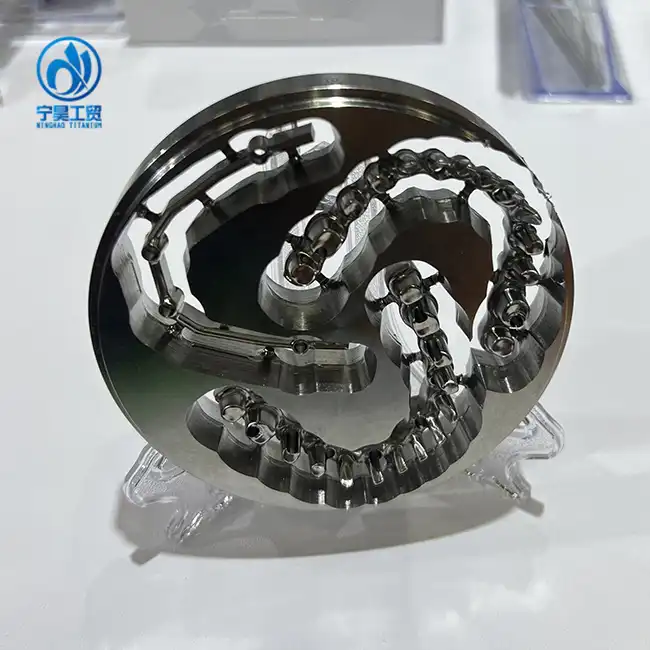 VIEW MOREDental Titanium Disc
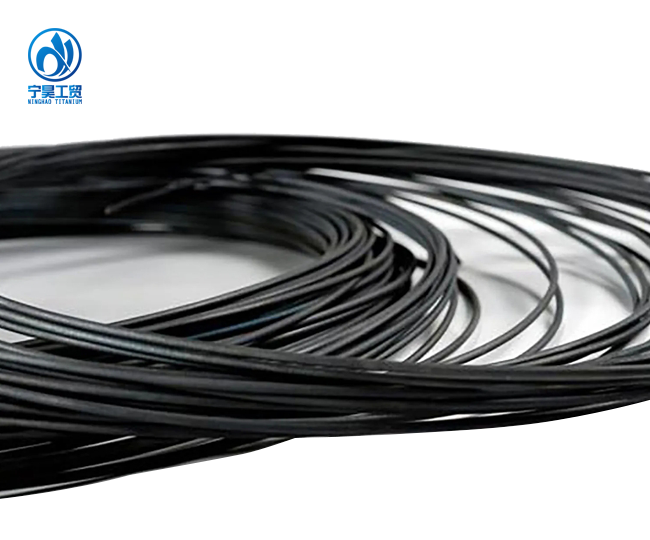 VIEW MOREMMO titanium wire anode
_1755237824861.webp) VIEW MORETitanium anode for disinfection
VIEW MORETitanium anode for disinfection_1755238003946.webp) VIEW MORETitanium electrodes for electrochemical water treatment
VIEW MORETitanium electrodes for electrochemical water treatment_1768900989214.webp) VIEW MORETitanium anode plate for copper extraction with etching solution
VIEW MORETitanium anode plate for copper extraction with etching solution_1768898457272.webp) VIEW MOREElectrolytic acid-base ionized water electrode sheet
VIEW MOREElectrolytic acid-base ionized water electrode sheet_1768808990119.webp) VIEW MORETitanium Anode for Treatment of Landfill Leachate
VIEW MORETitanium Anode for Treatment of Landfill Leachate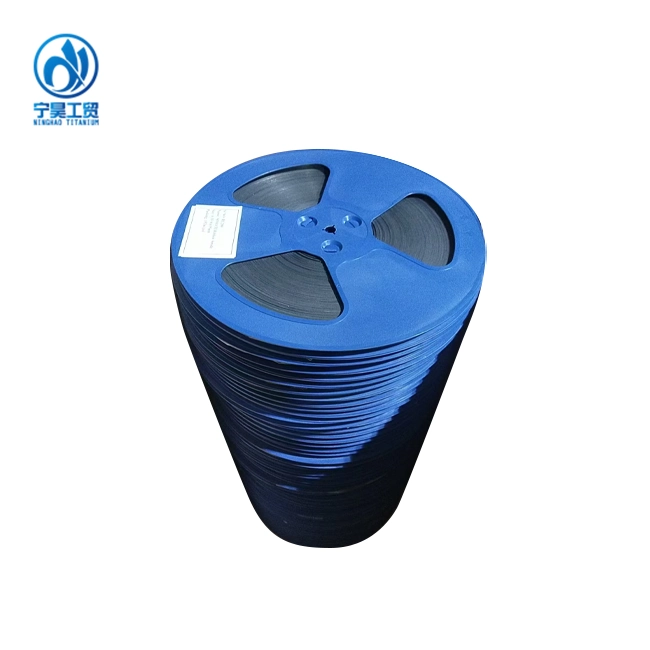 VIEW MOREMMO Ribbon anode