




Water Treatment Efficiency: The Role of Platinum-Coated Titanium Electrodes
Clean water is essential for our daily life. Water treatment systems must work well to remove pollutants and harmful germs. New technologies are being developed to make water treatment more efficient. One such technology is the platinum-coated titanium electrode. This article explains how these electrodes help improve water treatment.
How Platinum-Coated Titanium Electrodes Work
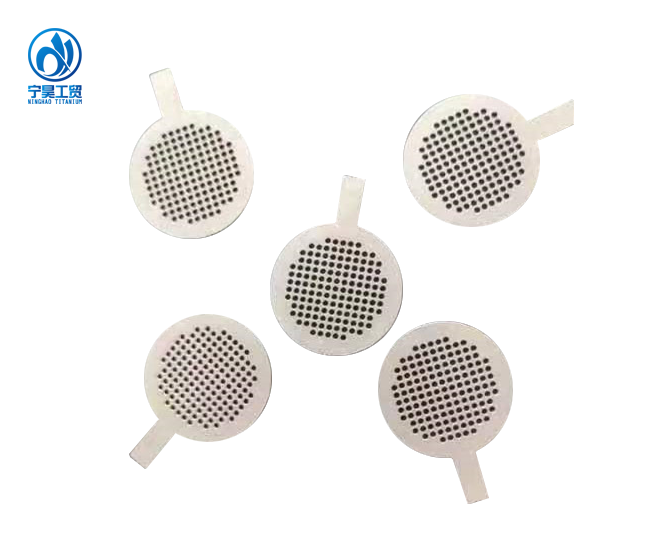
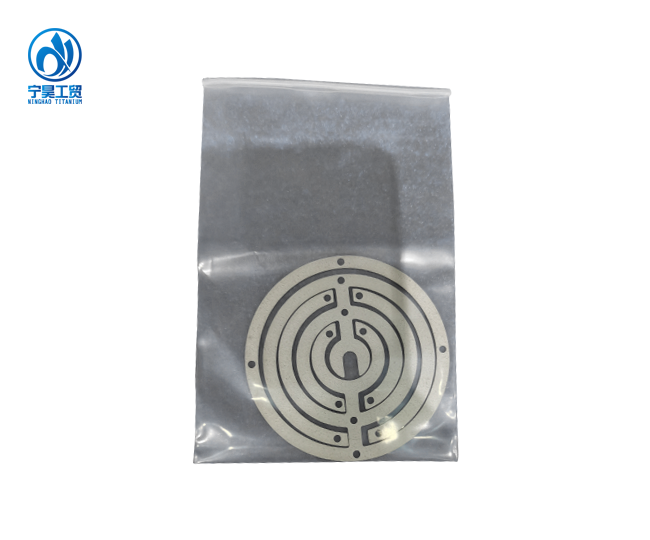
Platinum-coated titanium electrodes are made of two parts. The base is made of titanium. The surface is coated with a thin layer of platinum. Both materials have good properties that help in water treatment.
The titanium base is strong and resists corrosion. It can work in harsh conditions for a long time without breaking down. This makes it a good choice for water treatment systems.
The platinum coating is very important. Platinum is a catalyst. It speeds up chemical reactions without being used up. In water treatment, this helps break down pollutants more quickly.
When we apply an electric current to the electrode, it creates a strong oxidizing environment near the surface. This environment can break down many types of organic pollutants, germs, and other harmful things in the water. The platinum coating also prevents scale and dirt from building up on the electrode. This keeps the electrode working well over long periods.
How Platinum-Coated Titanium Electrodes Improve Water Treatment
These electrodes have made water treatment better in many ways. They are used in both city water plants and industrial wastewater systems.
One big advantage is that they can create strong oxidants directly in the water. This means we do not need to add outside chemicals. This lowers costs and reduces harm to the environment.
In electrochemical oxidation, these electrodes work very well. They remove organic pollutants, drugs, and other new types of contaminants that older methods cannot handle well. The platinum coating has high catalytic activity. It breaks down complex molecules into simpler and less harmful ones.
These electrodes are also good for disinfection. They can turn chloride ions that are already in the water into chlorine species. This gives a strong and sustainable way to kill germs. It uses fewer chemical disinfectants, which makes water treatment safer and more environmentally friendly.
The electrodes also last a long time. They can work for many days in a row without breaking down. This means less downtime and less need for maintenance. Over time, this lowers costs and gives more steady treatment results.
New Developments and Future Possibilities
Scientists and engineers are still working to make these electrodes better. One new idea is to use platinum coatings with very small structures. By changing the coating at the nanoscale, they can make the active surface area much larger. This gives higher catalytic activity and better performance.
Another new idea is to mix platinum with other metals to make composite coatings. These coatings can work better for specific tasks. For example, they may remove certain pollutants more effectively or resist fouling in difficult water conditions.
In the future, these electrodes may be used even more. As clean water becomes harder to get, they may play a big role in advanced water reuse systems. They can remove many types of pollutants, which makes them good for turning wastewater into drinking water.
These electrodes can also be combined with other technologies like membrane filters and UV light. This can create even better treatment systems. Such hybrid systems may give very good performance while using less energy and causing less harm to the environment.
Conclusion
Platinum-coated titanium electrodes are a strong tool for improving water treatment. They are durable, have high catalytic activity, and can be used in many ways. They help solve water quality problems in the 21st century. As research continues, we can expect even more new uses and better performance from these electrodes.
For more information about platinum-coated titanium electrodes, please contact BAOJI NINGHAO INDUSTRY AND TRADE CO., LTD. at sales02@nh-ti.com.
References
1. Smith, J. A., & Johnson, B. C. (2020). Advancements in Platinum-Coated Titanium Electrodes for Water Treatment Applications. Journal of Electrochemical Engineering, 45(3), 278-295.
2. Chen, X., Wang, Y., & Li, Z. (2019). Comparative Study of Platinum-Coated Titanium Electrodes in Various Water Treatment Processes. Water Research, 152, 21-35.
3. Rodriguez, M. A., & Garcia, L. F. (2021). Efficiency Improvements in Municipal Water Treatment Systems Using Platinum-Coated Titanium Electrodes. Environmental Technology & Innovation, 23, 101562.
4. Thompson, R. K., & Davis, E. M. (2018). Nanostructured Platinum Coatings on Titanium Substrates: Enhancing Performance in Electrochemical Water Treatment. ACS Applied Materials & Interfaces, 10(42), 36070-36081.
5. Patel, S., & Nakamura, H. (2022). Future Prospects of Platinum-Coated Titanium Electrodes in Advanced Water Purification Technologies. Sustainable Water Treatment and Reuse, 8(2), 145-163.
YOU MAY LIKE
_1769589764040.webp) VIEW MOREMMO titanium mesh anode
VIEW MOREMMO titanium mesh anode_1767843654655.webp) VIEW MOREmmo titanium electrodes
VIEW MOREmmo titanium electrodes_1755236758742.webp) VIEW MOREdsa titanium anodes
VIEW MOREdsa titanium anodes_1768363572399.webp) VIEW MOREplatinized titanium anodes
VIEW MOREplatinized titanium anodes_1755237777688.webp) VIEW MOREChlor-alkali electrolyzer
VIEW MOREChlor-alkali electrolyzer_1755852164179.webp) VIEW MOREElectrocatalytic oxide-coated titanium anode for landfill leachate
VIEW MOREElectrocatalytic oxide-coated titanium anode for landfill leachate_1755238003946.webp) VIEW MORETitanium electrodes for electrochemical water treatment
VIEW MORETitanium electrodes for electrochemical water treatment_1768550156531.webp) VIEW MORERuthenium Oxide Titanium Anode for Paper WastewaterElectrochemical Treatment
VIEW MORERuthenium Oxide Titanium Anode for Paper WastewaterElectrochemical Treatment