




Platinum-Coated Titanium Electrodes vs. Traditional Electrodes: Evaluating Performance and Durability
In electrochemistry, the choice of electrode material affects how well a process works and how long the equipment lasts. Platinum-coated titanium electrodes offer better performance and longer life than many traditional electrodes. This article compares these two types of electrodes and explains their advantages.
How Electrode Technology Has Changed
Electrodes have been used for many years. Traditional electrodes are often made of carbon, graphite, or plain metals. They have worked well for a long time. But as technology becomes more advanced, the limits of these old electrodes have become clear.
Platinum-coated titanium electrodes are a big step forward. They combine the strength of titanium with the catalytic power of platinum. This creates an electrode that is strong, efficient, and long-lasting.
To make these electrodes, manufacturers coat a thin layer of platinum onto a titanium base. The coating is even and sticks well to the surface. The result is an electrode with good mechanical strength and excellent electrochemical performance.
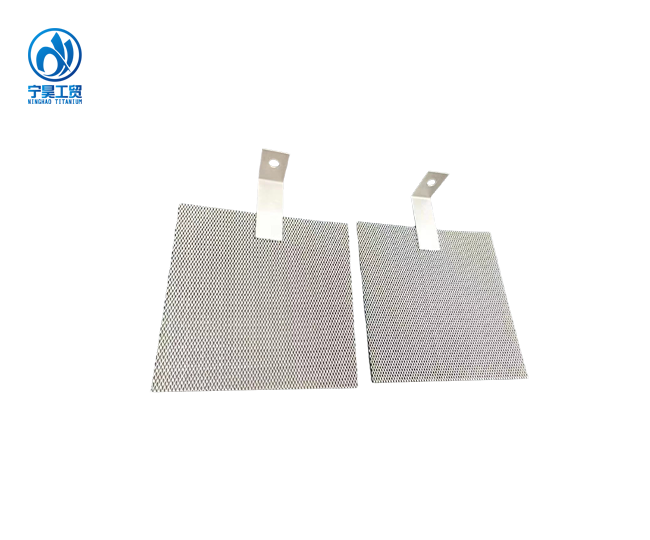
Comparing Performance
Platinum-coated titanium electrodes perform better than traditional ones in several ways:
Catalytic Activity
The platinum coating speeds up chemical reactions. This leads to faster reaction rates and better process efficiency. It also lowers energy needs. This is helpful in water treatment and fuel cell applications.Conductivity
These electrodes have good electrical conductivity. This means less energy is lost during reactions. The process runs more efficiently.Selectivity
The surface properties of platinum-coated titanium allow for better control over certain reactions. This is useful when making high-purity chemicals or using sensor technologies.Stability
These electrodes keep their performance even in harsh conditions. Traditional electrodes may lose effectiveness over time. Platinum-coated ones give steady results and need fewer replacements.Versatility
These electrodes work well in many different applications. They are used in industrial electrolysis and advanced electrochemistry research.
Comparing Durability and Longevity
Platinum-coated titanium electrodes last much longer than many traditional ones. Several factors explain why:
Corrosion Resistance
Titanium resists corrosion very well. It forms a protective oxide layer when exposed to air. This property, along with the noble nature of platinum, helps the electrode survive in harsh environments. Traditional electrodes made of less noble metals often corrode quickly in aggressive conditions.Mechanical Strength
The titanium base gives the electrode good strength. It can handle mechanical stress and vibration without breaking or bending. This is important in industrial settings where conditions can be harsh.Thermal Stability
These electrodes stay stable across a wide range of temperatures. They keep their shape and performance even in high-temperature applications. Traditional electrodes may fail or lose effectiveness in such conditions.Resistance to Fouling
The smooth surface of platinum-coated titanium electrodes helps prevent fouling. They also resist electrode poisoning better than many traditional materials. This means they work well over long periods without needing frequent cleaning or replacement.Long-Term Cost-Effectiveness
The initial cost of platinum-coated titanium electrodes may be higher. But over time, they save money. They last longer, need less maintenance, and require fewer replacements. This leads to a lower total cost over the life of the equipment.
Conclusion
Platinum-coated titanium electrodes are clearly better than many traditional electrodes. They offer superior performance, better durability, and more versatility. As industries look for better and more efficient solutions, these advanced electrodes will become even more important.
For more information about platinum-coated titanium electrodes, please contact BAOJI NINGHAO INDUSTRY AND TRADE CO., LTD. at sales02@nh-ti.com.
References
Walsh, F. C., & Ponce de León, C. (2018). Progress in electrochemical engineering: A review of developments in electrode materials and processes. Electrochimica Acta, 280, 121-148.
Chen, Q., Luo, L., & White, H. S. (2020). Electrochemical characterization of platinum-coated titanium electrodes. Journal of Electroanalytical Chemistry, 856, 113627.
Kraft, A. (2007). Doped diamond: A compact review on a new, versatile electrode material. International Journal of Electrochemical Science, 2(5), 355-385.
Comninellis, C., & Chen, G. (Eds.). (2010). Electrochemistry for the environment. Springer Science & Business Media.
Trasatti, S. (2000). Electrocatalysis: understanding the success of DSA®. Electrochimica Acta, 45(15-16), 2377-2385.
YOU MAY LIKE
_1755236611966.webp) VIEW MORETitanium Electrode for Electrochemical Oxidation
VIEW MORETitanium Electrode for Electrochemical Oxidation_1755851444116.webp) VIEW MOREiccp mmo coated titanium anodes
VIEW MOREiccp mmo coated titanium anodes- VIEW MORETitanium anodes for soil cathodic protection
 VIEW MOREtitanium electrode for water ionizer
_1767943710775.webp) VIEW MOREcustomized titanium electrode
VIEW MOREcustomized titanium electrode_1755237376331.webp) VIEW MOREiridium tantalum titanium anode
VIEW MOREiridium tantalum titanium anode_1770280550569.webp) VIEW MOREElectrolysis of water to produce titanium hydrogen anode
VIEW MOREElectrolysis of water to produce titanium hydrogen anode_1768466869877.webp) VIEW MOREMMO Titanium Electrode for Electrochemical OxidationWastewater Treatment
VIEW MOREMMO Titanium Electrode for Electrochemical OxidationWastewater Treatment