




The Superior Advantages of Platinum-Coated Titanium Electrodes in Corrosion-Resistant Applications
In the fields of electrochemistry and industrial applications, the selection of electrode materials plays a decisive role in process efficiency, durability, and overall performance. Among numerous available options, platinum-coated titanium electrodes have emerged as an exceptional solution for corrosion-resistant application scenarios. These electrodes combine the robust characteristics of titanium with the superior catalytic properties of platinum, forming a synergistic technology capable of addressing challenges in harsh industrial environments.
Scientific Principles of Platinum-Coated Titanium Electrodes
To truly understand the advantages of platinum-coated titanium electrodes, it is essential to delve into the scientific principles behind their outstanding performance. The core of this technology lies in fully leveraging the characteristics of two remarkable materials: titanium and platinum.
Titanium, known for its high strength-to-weight ratio and inherent corrosion resistance, serves as the substrate material. Its durability and resistance to harsh environments make it an ideal foundational material. However, pure titanium is not suitable for many electrochemical applications due to its tendency to form a passivation oxide layer that hinders electron transfer.
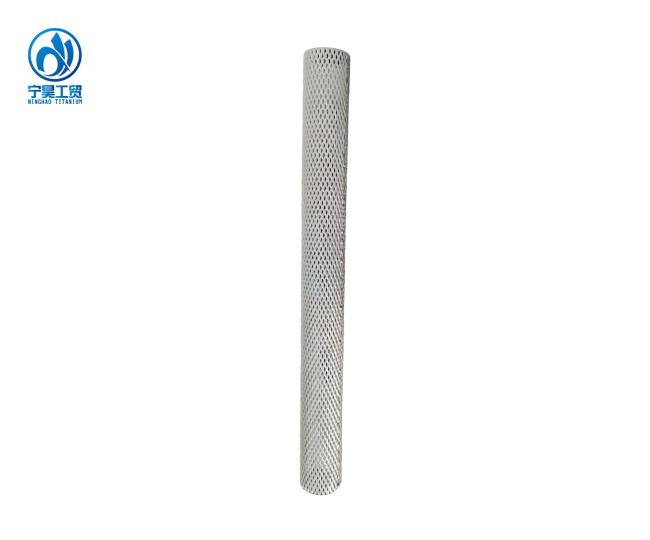
This is precisely where the platinum coating comes into play. By applying a thin layer of platinum to the titanium substrate, we obtain an electrode that combines the structural integrity of titanium with the superior catalytic performance of platinum. The platinum coating provides an active surface for electrochemical reactions while protecting the underlying titanium material from corrosion.
The coating process itself demonstrates the sophistication of modern materials science. Advanced techniques such as electrodeposition, thermal decomposition, or physical vapor deposition enable the production of uniform and strongly adherent platinum layers. The thickness of this layer is typically controlled within the range of a few micrometers to tens of micrometers, precisely regulated according to specific application requirements.
One of the key advantages of platinum-coated titanium electrodes lies in their electrochemical stability. Platinum is renowned for its resistance to chemical erosion and its ability to catalyze multiple reactions without degradation. This stability translates to longer electrode service life and more consistent long-term performance, even in harsh environments.
Furthermore, the platinum-titanium combination addresses a common challenge in electrochemistry: balancing conductivity with corrosion resistance. While titanium offers excellent corrosion resistance, its electrical conductivity is relatively low. The platinum coating provides a highly conductive surface, ensuring efficient electron transfer during electrochemical processes.
Corrosion-Resistant Application Scenarios and Advantages
The exceptional performance of platinum-coated titanium electrodes makes them indispensable in numerous corrosive environments. Their multifunctionality and durability have driven adoption across multiple industries, each benefiting from the unique advantages these electrodes offer.
In the water treatment field, platinum-coated titanium electrodes have become core components of advanced oxidation processes. These electrodes perform excellently in generating strong oxidants such as ozone and hydroxyl radicals, which are crucial for treating refractory organic pollutants. Their stability in chlorine-rich environments also makes them ideal for electrochemical chlorination systems, providing sustainable solutions for water disinfection.
The chemical processing industry has widely adopted these electrodes due to their outstanding tolerance in aggressive media. In processes involving strong acids, bases, or oxidizing agents, these electrodes maintain their integrity and performance where other materials would rapidly deteriorate. This durability directly translates to reduced downtime, lower maintenance costs, and higher process reliability.
In the metal surface treatment and electroplating sectors, platinum-coated titanium electrodes provide unparalleled precision and consistency. Their uniform surface and stable performance ensure even distribution of plating layers, which is essential for achieving high-quality surface finishes. The low overpotential characteristic of platinum in many electroplating reactions also contributes to improved energy efficiency, an increasingly important factor in modern industrial processes.
The corrosion resistance of these electrodes extends their application prospects in marine environments, where traditional materials often struggle to withstand continuous seawater erosion. From offshore structures to desalination plants, platinum-coated titanium electrodes offer long-lasting protection and functionality under some of nature's most challenging conditions.
In the field of energy storage and conversion, these electrodes are making significant progress. Their stability and catalytic activity make them preferred materials for fuel cells and water electrolysis systems, contributing to the development of clean energy technologies.
In corrosion-resistant applications, one of the most notable advantages of platinum-coated titanium electrodes is their exceptionally long service life. The extended electrode lifespan not only reduces replacement frequency but also minimizes environmental impact during electrode production and disposal processes, aligning closely with the increasingly emphasized sustainability principles in industrial practices.
Future Development Trends in Electrode Technology
Looking ahead, electrode technology continues to evolve, with platinum-coated titanium electrodes at the forefront of innovation. Researchers and industry experts are exploring new directions to further enhance the already excellent performance of these electrodes, paving the way for more efficient and sustainable electrochemical processes.
One active area of research is the development of nanostructured platinum coatings. By manipulating surface morphology at the nanoscale, scientists aim to increase the active surface area of electrodes without increasing their overall size. This approach is expected to significantly improve catalytic activity and efficiency, potentially reducing platinum usage and thereby lowering costs.
Another promising direction is the exploration of platinum alloys and composite coatings. By combining platinum with other precious metals or incorporating ceramic particles, researchers are developing electrodes with customized properties for specific applications. These innovations may lead to electrodes with enhanced corrosion resistance, higher catalytic activity, or better selectivity for particular reactions.
The integration of electrode systems with smart technologies is also in development. Imagine electrodes equipped with sensors capable of monitoring their own performance and predicting maintenance needs. Such advancements could revolutionize industrial processes by enabling predictive maintenance and real-time optimization of electrochemical systems.
As environmental concerns continue to influence industrial practices, attention is increasingly focused on developing more sustainable electrode technologies. This includes research on methods for recycling platinum from spent electrodes and exploring alternative coating techniques that minimize waste and energy consumption during production.
The emergence of 3D printing and additive manufacturing technologies opens new possibilities for electrode design. These technologies enable the creation of complex electrode geometries that were previously impossible or impractical to manufacture. Custom-designed electrodes with optimized surface structures could bring breakthrough improvements in efficiency and performance across various application scenarios.

Conclusion
The advantages of platinum-coated titanium electrodes in corrosion-resistant applications are multifaceted and far-reaching. From exceptional durability and stability to cross-industry applicability, these electrodes have proven to be indispensable tools in modern electrochemistry and industrial processes.
To further understand how platinum-coated titanium electrodes can enhance your processes or explore customized solutions for specific applications, please contact the professional team at BAOJI NINGHAO INDUSTRY AND TRADE CO., LTD. Email: sales02@nh-ti.com. Our technical experts are always ready to help you harness the powerful potential of advanced electrode technology in your corrosion-resistant applications.
References
Walsh, F. C., & Ponce de León, C. (2018). Versatile electrochemical coatings and surface layers from aqueous methanesulfonic acid. Surface and Coatings Technology, 345, 9-22.
Martínez-Huitle, C. A., & Ferro, S. (2006). Electrochemical oxidation of organic pollutants for the wastewater treatment: direct and indirect processes. Chemical Society Reviews, 35(12), 1324-1340.
Chen, X., Chen, G., & Yue, P. L. (2001). Stable Ti/IrOx-Sb2O5-SnO2 anode for O2 evolution with high oxygen evolution efficiency. The Journal of Physical Chemistry B, 105(20), 4623-4628.
Kraft, A. (2007). Doped diamond: a compact review on a new, versatile electrode material. International Journal of Electrochemical Science, 2(5), 355-385.
Trasatti, S. (2000). Electrocatalysis: understanding the success of DSA®. Electrochimica Acta, 45(15-16), 2377-2385.
YOU MAY LIKE
_1767842857589.webp) VIEW MOREtitanium alloy electrode
VIEW MOREtitanium alloy electrode_1767776137026.webp) VIEW MOREtitanium electrode for salt water electrolysis
VIEW MOREtitanium electrode for salt water electrolysis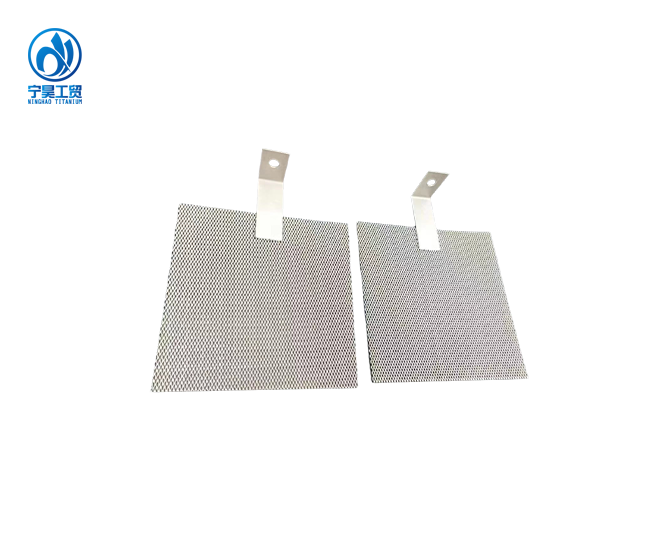 VIEW MOREtitanium electrodes
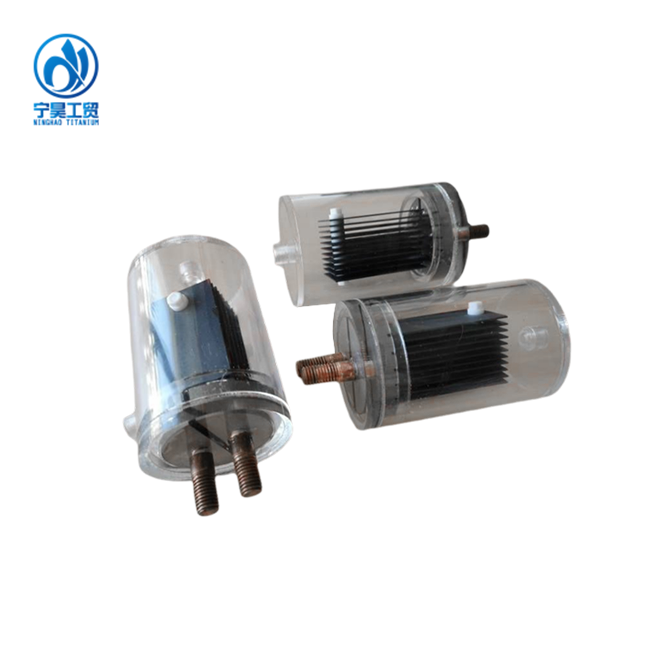 VIEW MOREcustomized titanium anode
_1755237122959.webp) VIEW MOREmixed metal oxide coated titanium anodes
VIEW MOREmixed metal oxide coated titanium anodes_1755237800856.webp) VIEW MORETitanium anode for chlor-alkali industry
VIEW MORETitanium anode for chlor-alkali industry_1755237855339.webp) VIEW MOREMMO Anode for Copper Plating of Printed Circut Boards
VIEW MOREMMO Anode for Copper Plating of Printed Circut Boards_1755237880729.webp) VIEW MOREMMO Coated Titanium Anode for Electroplating
VIEW MOREMMO Coated Titanium Anode for Electroplating