




Multifaceted Applications of Sodium Hypochlorite Electrolytic Cells
Sodium hypochlorite electrolytic cells are fundamentally transforming disinfection methods from industrial to household applications through their innovative on-site production technology. These devices enable economical, efficient, and environmentally friendly production of sodium hypochlorite, serving as an ideal alternative to traditional chemical disinfectants. Whether in water treatment plants, food processing facilities, or residential swimming pools, electrolytic cells can stably and efficiently produce potent disinfectants. Their broad applicability makes them essential tools for maintaining hygiene standards and safeguarding public health across numerous fields.
Technical Principles of Electrolytic Cells
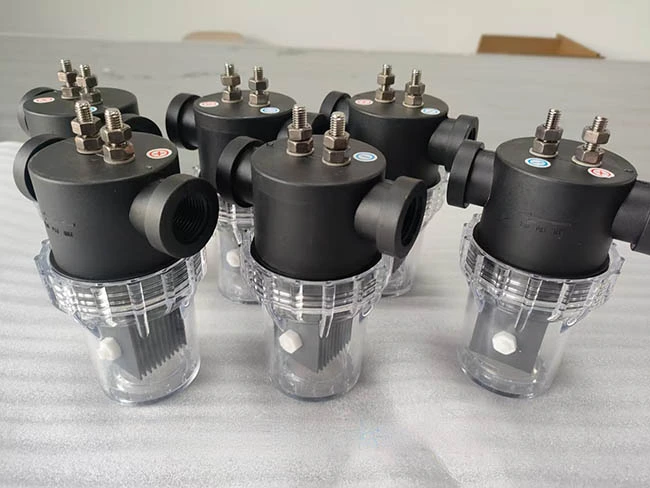
Sodium hypochlorite electrolytic cells operate on the principle of electrolysis technology, using electrical energy to drive chemical reactions. The device primarily consists of an anode and a cathode, typically manufactured from titanium materials treated with specialized coatings. When electric current passes through the salt solution in the cell, it triggers a series of electrochemical reactions that ultimately generate sodium hypochlorite.
The core of this process lies in the advanced nature of electrode materials. Modern electrolytic cells widely employ mixed metal oxide (MMO)-coated titanium anodes. The ruthenium-iridium oxide nano-coating design can extend the service life of electrolyzers to an impressive five years. Through integrated titanium welding and flange technology, the cell structure effectively prevents high-pressure buildup, ensures welding strength, and further enhances equipment durability.
Technical Advantages
Sodium hypochlorite electrolytic cells offer the following significant advantages:
High Conversion Efficiency: Rapid transformation of salt into sodium hypochlorite achieves high output with minimal loss.
Economic Practicality: On-site production significantly reduces chemical procurement costs.
Environmental Friendliness: The production process has minimal environmental impact, aligning with sustainable development principles.
Long-lasting Durability: Adaptability to harsh operating conditions ensures long service life and low maintenance costs.
Industrial Application Scenarios
Various industrial sectors have widely adopted sodium hypochlorite electrolytic cells, with their efficient multifunctional characteristics bringing unique value to different industries.
Water Treatment and Purification
Municipal water treatment plants utilize electrolytic cells to ensure safe drinking water for communities. On-site sodium hypochlorite production eliminates the need for storing large quantities of hazardous chemicals, enhancing safety while reducing transportation costs. The precise control capabilities of the system enable optimal disinfection effects while minimizing the generation of harmful by-products.
The modular design of modern electrolytic cells allows flexible adaptation to production requirements of water treatment plants of varying scales. Combined with automated operation and real-time monitoring functions, water treatment plants can maintain stable disinfection levels while responding to flow fluctuations.
Food and Beverage Industry
The food and beverage industry relies on effective disinfection to ensure product quality and safety. Electrolytic cells provide reliable disinfectant sources for equipment cleaning, contact surface disinfection, and process water treatment. The on-demand production characteristic reduces the risk of chemical degradation associated with long-term storage, ensuring optimal disinfection effectiveness.
Beyond surface disinfection, electrolytic cells can also be applied in agricultural product cleaning systems. Through precise control of sodium hypochlorite generation and dosing, pathogens can be effectively removed from fruits and vegetables while maintaining product quality and flavor.
Textile and Paper Industries
In the textile industry, electrolytic cells provide a more environmentally friendly alternative to chlorine-based bleaching agents for bleaching processes. On-site production avoids the storage of large quantities of potentially hazardous chemicals, improving workplace safety.
Similarly, the paper industry can utilize electrolytic cells for efficient bleach production. The ability to precisely regulate sodium hypochlorite concentration enables manufacturers to achieve desired brightness levels while minimizing fiber damage and reducing environmental impact.
Household Application Fields
Beyond established industrial applications, electrolytic cells are increasingly entering household scenarios, offering efficient and environmentally friendly solutions for various disinfection needs.
Swimming Pool Maintenance and Management
Sodium hypochlorite electrolytic cells are widely used in residential swimming pool maintenance, commonly referred to as saltwater chlorinators. This system converts pool salt into chlorine through electrolysis, providing continuous disinfection without frequent chemical additions, serving as a convenient and economical alternative to traditional chlorine treatment methods.
Electrolytic cell pool systems offer benefits beyond convenience. The electrolytically produced chlorine has milder properties, resulting in softer and more comfortable pool water. Simultaneously, eliminating the need for chlorine product storage significantly enhances safety in pool areas, particularly suitable for households with children or pets.
Household Water Purification Systems
As water quality issues receive increasing attention, more households are adopting point-of-entry water purification systems. Electrolytic cells can be integrated into such systems to provide effective disinfection for household water supplies, ensuring that all water entering the home (including drinking, cooking, and washing) is free from pathogens.
Compared to traditional chemical treatment methods, electrolytic cell household water purification systems offer multiple advantages: on-demand preparation eliminates the need for chemical storage and handling, enhancing safety; the system's precise control achieves optimal disinfection while minimizing the generation of disinfection by-products that affect water taste and odor.
Household Cleaning and Disinfection
Compact sodium hypochlorite electrolytic cells suitable for household use are now available, allowing consumers to prepare multipurpose cleaning and disinfecting solutions at home. These devices typically use table salt and water to generate hypochlorous acid solutions, which demonstrate good disinfection effectiveness against various pathogens.
The advantages of homemade disinfectant solutions include: reducing the need to purchase and store multiple cleaning products, saving both expenses and space; providing a more environmentally friendly option compared to commercial cleaning products—many of which contain irritating chemicals and use single-use plastic packaging.
Conclusion
Sodium hypochlorite electrolytic cells have demonstrated exceptional versatility and efficiency in both industrial and household fields. Their ability to provide on-demand disinfection solutions, combined with advantages in reducing environmental impact and cost savings, makes them an ideal choice for cross-sector applications.
For more information about electrochemical electrode materials or to explore customized electrolytic cell solutions, please feel free to contact the professional team at BAOJI NINGHAO INDUSTRY AND TRADE CO., LTD. Email: sales02@nh-ti.com.
References
Smith, J. A., & Johnson, B. C. (2020). Advancements in Sodium Hypochlorite Electrolytic Cell Technology for Industrial Applications. Journal of Electrochemical Engineering, 45(3), 278-295.
Garcia, M. L., et al. (2019). Comparative Study of Sodium Hypochlorite Generation Methods in Water Treatment Plants. Water Science and Technology, 79(8), 1542-1553.
Thompson, R. D. (2021). Household Applications of Electrolytic Cells: A Review of Recent Developments. International Journal of Sustainable Home Technology, 12(2), 87-102.
Lee, S. H., & Park, Y. J. (2018). Optimization of Sodium Hypochlorite Production in Electrolytic Cells for Industrial Use. Chemical Engineering Research and Design, 137, 248-257.
Anderson, K. L. (2022). The Role of Sodium Hypochlorite Electrolytic Cells in Modern Disinfection Practices: Industrial and Domestic Perspectives. Environmental Science and Pollution Research, 29(15), 22100-22115.
YOU MAY LIKE
_1755236680230.webp) VIEW MOREMMO Deep well anode
VIEW MOREMMO Deep well anode_1768298165832.webp) VIEW MOREMMO Anode for Zinc Electrowinning Cell
VIEW MOREMMO Anode for Zinc Electrowinning Cell_1768361974486.webp) VIEW MOREplatinized titanium for anodizing
VIEW MOREplatinized titanium for anodizing_1769412393846.webp) VIEW MOREPlatinum Titanium Plates electrode for Water lonizerElectrolysis
VIEW MOREPlatinum Titanium Plates electrode for Water lonizerElectrolysis_1769069244861.webp) VIEW MORETitanium anode for sodium hypochlorite electrolysis
VIEW MORETitanium anode for sodium hypochlorite electrolysis_1755237824861.webp) VIEW MORETitanium anode for disinfection
VIEW MORETitanium anode for disinfection VIEW MORElridium-tantalum coated titanium anode for Copper Plating
_1770280550569.webp) VIEW MOREElectrolysis of water to produce titanium hydrogen anode
VIEW MOREElectrolysis of water to produce titanium hydrogen anode