




Performance Advantages of Industrial Pure Titanium Electrodes in Electrolysis and Electroplating Processes
In the field of electrochemistry, the choice of electrode material directly determines the efficiency and reliability of the process. Industrial pure titanium (Grade 1), as a material that combines excellent mechanical properties with chemical stability, demonstrates unique comprehensive advantages in electrolysis and electroplating applications. This article will systematically explain how Gr1 titanium electrodes enhance the overall performance of electrochemical systems from three dimensions: material characteristics, process compatibility, and practical application results.
Material Characteristic Advantages of Gr1 Titanium Electrodes
Gr1 is industrial pure titanium (purity ≥ 99.5%), and its core performance can be summarized as follows:
| Characteristic | Technical Performance | Process Value |
|---|---|---|
| Corrosion Resistance | Forms a stable passivation film in chloride-containing media, across a wide pH range (1–12), and in oxidizing environments | Significantly extends electrode lifespan, reduces pollution and downtime caused by corrosion |
| Conductivity and Stability | Resistivity approximately 0.55 μΩ·m (about 30 times that of copper), but surface can be coated with high catalytic activity coatings (MMO, platinum, etc.) to improve efficiency | Balances conductivity requirements with electrochemical stability, avoids electrode dissolution contamination |
| Mechanical Properties | Tensile strength ≥ 240 MPa, elongation ≥ 24%, density only 57% that of steel | Lightweight design reduces system load; high toughness adapts to complex working conditions |
| Surface Modifiability | Surface structure and catalytic activity can be regulated through methods like anodizing and coating deposition | Enables "substrate-coating" synergistic design, adaptable to diverse reaction systems |
Key Applications in Electrolysis Processes
1. Water Treatment Electrolysis Systems
Electrochlorination Disinfection: Gr1 as a substrate combined with Ru-Ir coatings can efficiently generate sodium hypochlorite in brine electrolysis, with electrode lifespan reaching 5–8 years, far superior to graphite or stainless steel electrodes.
Electrochemical Advanced Oxidation: Used for degrading hard-to-treat organic compounds; titanium-based electrodes remain stable while generating active species such as hydroxyl radicals, avoiding catalytic efficiency decay due to electrode material consumption.
2. Industrial Electrolytic Synthesis
Chlor-Alkali Industry: As substrate for dimensionally stable anodes (DSA) combined with coatings like Ir-Ta, achieves current efficiency >95% in NaCl electrolysis and significantly reduces chlorine evolution overpotential.
Electrolytic Hydrogen Production: In proton exchange membrane (PEM) electrolyzers, titanium substrates can serve as porous diffusion layers or coating carriers, balancing conductivity, corrosion resistance, and gas mass transfer needs.
3. Electrochemical Wastewater Treatment
Electrocoagulation/Electro-Fenton: Gr1 electrodes remain stable in acidic or high-salinity wastewater, avoiding rapid consumption of traditional anodes (iron, aluminum) and issues of increased sludge volume.
Performance Improvements in Electroplating Processes
1. Uniformity and Repeatability Assurance
Gr1 substrate combined with functional coatings (RuO2, Pt, IrO₂) enables:
Current density distribution uniformity with an extreme difference <5%
Stable polarization characteristics even under complex waveforms such as pulse plating
Suitable for precision electronics plating, decorative plating, and functional coating preparation
2. Plating Bath Compatibility
Resistant to various plating bath systems including cyanide, sulfate, and chloride
Surface inertness prevents electrode dissolution from contaminating the plating bath, especially suitable for precious metal plating (gold, silver, rhodium, etc.)
3. Economic Benefit Analysis
Although the initial cost of Gr1 electrodes is higher than ordinary steel or stainless steel electrodes, the comprehensive benefits are significant:
Electrode lifespan extended by 3–5 times, reducing replacement frequency and production downtime losses
Improves product yield and coating consistency, lowers rework rates
Reduces plating bath contamination and treatment costs caused by electrode corrosion
Selection and Usage Recommendations
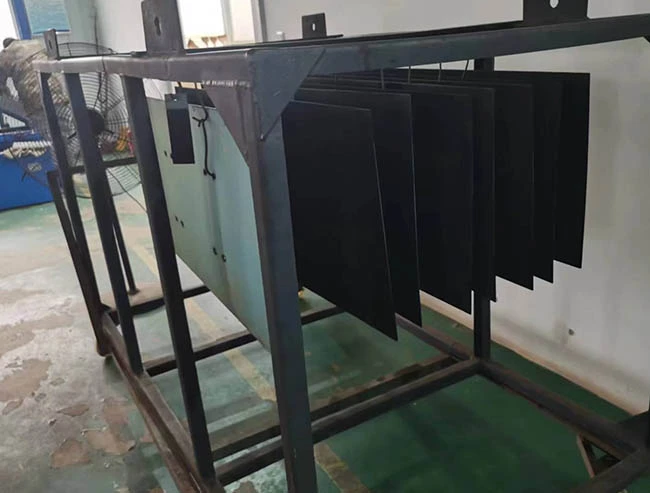
Coating Matching: Select appropriate coatings based on the electrolysis/plating system (Ru-Ir for chlorine evolution, Ir-Ta for oxygen evolution, Pt for precious metal plating)
Structural Design: Can adopt mesh, plate, or porous structures to increase effective surface area and mass transfer efficiency
Maintenance Strategy: Regularly monitor electrode potential and coating morphology; establish predictive maintenance mechanisms
Technological Development Trends
Composite Coating Technology: Development of nanostructured coatings and gradient functional coatings to further improve catalytic efficiency and lifespan
Intelligent Electrodes: Integration of sensors for real-time monitoring of working conditions and adaptive regulation
Green Manufacturing Processes: Establishment of low-energy coating preparation technologies and electrode recycling systems
Conclusion
Gr1 titanium electrodes, with their excellent corrosion resistance, stable electrochemical performance, and good machinability, have become key materials for efficient, long-life electrochemical systems. Through reasonable coating design and structural optimization, their performance advantages in electrolysis and electroplating fields will become even more prominent, providing reliable support for improving quality, efficiency, and green development in industrial production.
BAOJI NINGHAO INDUSTRY AND TRADE CO., LTD. specializes in the customized development and production of TA1 titanium electrodes, offering coating selection, structural design, and process validation services tailored to different electrolysis/plating processes. For detailed technical information or customized solution inquiries, please contact: sales02@nh-ti.com.
References
International Titanium Association. (2023). *Industrial Pure Titanium (Grade 1/TA1) Material Specifications and Electrochemical Performance Data*. Technical Bulletin ITA‑2023‑11.
Zhang, L., et al. (2022). Coating‑Substrate Synergy in MMO‑coated Titanium Anodes for Chlor‑Alkali Electrolysis. Journal of The Electrochemical Society, 169(4), 043502.
European Federation of Corrosion. (2021). Performance Criteria for Titanium Electrodes in Industrial Electrolysis (EFC Publication No. 76).
Wang, H., & Chen, G. (2023). Surface Engineering Strategies for Enhanced Catalytic Activity of Titanium Electrodes in Electrodeposition. Surface & Coatings Technology, 472, 129968.
YOU MAY LIKE
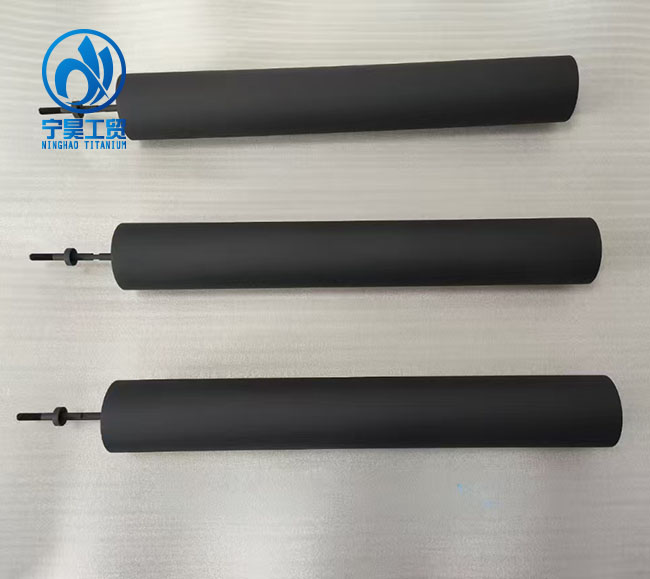 VIEW MORESwirl point dissolving titanium anode rod
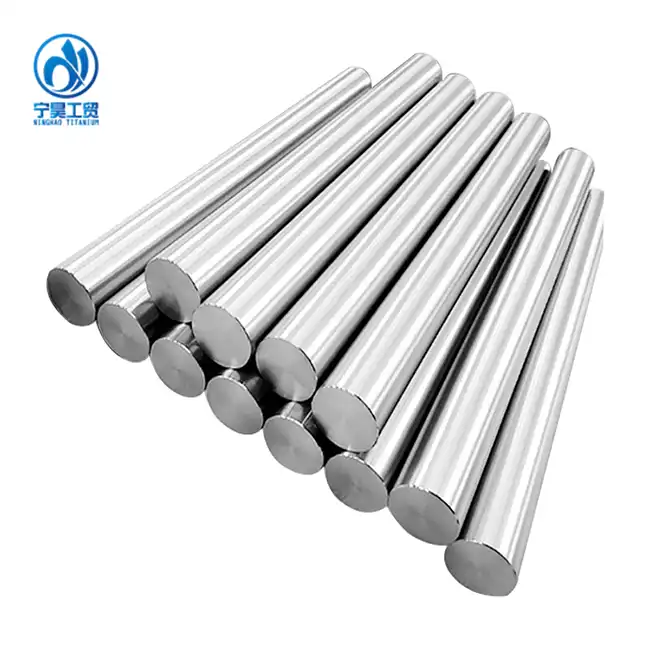 VIEW MOREmedical titanium rods
_1769589643810.webp) VIEW MORETitanium anodes for cathodic protection of reinforced concrete buildings
VIEW MORETitanium anodes for cathodic protection of reinforced concrete buildings_1755237122959.webp) VIEW MOREmixed metal oxide coated titanium anodes
VIEW MOREmixed metal oxide coated titanium anodes_1768986291239.webp) VIEW MOREPlatinized Titanium anode plate
VIEW MOREPlatinized Titanium anode plate_1767952459687.webp) VIEW MOREMMO coating titanium mesh
VIEW MOREMMO coating titanium mesh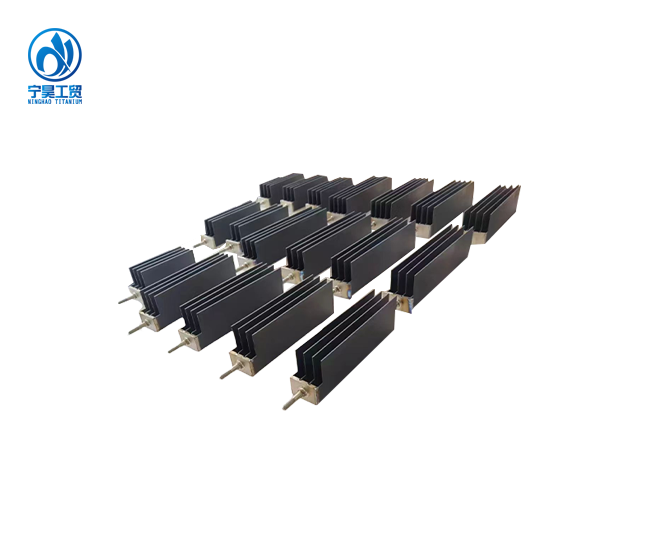 VIEW MORESelf clean salt chlorine generator for pool
 VIEW MORElridium-tantalum coated titanium anode for Copper Plating