




How to Select the Optimal Titanium Electrodes for Electrolysis Systems
In the field of electrochemistry, titanium electrodes for electrolysis have become a transformative technology. These multifunctional components play crucial roles in numerous industrial processes ranging from water treatment to metal production. As industries deepen their pursuit of efficiency and sustainability, selecting appropriate titanium electrodes becomes increasingly vital. This article provides an in-depth exploration of the technical characteristics and application scenarios of titanium electrodes, along with guidance on selecting the best solutions for your electrolysis systems.
Technical Understanding of Titanium Electrodes in Electrolysis Systems
Titanium electrodes are core components of advanced electrolysis systems. Their unique properties make them ideal for many electrochemical applications. Let us delve deeper into why titanium has become the material of choice across various industries.
Scientific Principles of Titanium Electrodes
The success of titanium as an electrode material stems from its exceptional comprehensive performance: significant corrosion resistance, high strength-to-weight ratio, and excellent conductivity with appropriate coatings. These characteristics ensure titanium electrodes can maintain stable performance long-term in harsh electrolytic environments.
Advantages of Titanium Electrodes in Electrolysis
Titanium electrodes for electrolysis offer multifaceted advantages: compared to traditional materials, their exceptional durability reduces replacement frequency and associated downtime; furthermore, titanium electrodes can be functionally enhanced through various metal oxide coatings, improving their catalytic performance and efficiency in specific applications.
Cross-Industry Applications of Titanium Electrodes
The multifunctionality of titanium electrodes has driven their widespread adoption across multiple fields. Understanding these application scenarios will help you recognize the breadth of their impact and their potential value in your own operations.
Water Treatment and Purification
In water treatment facilities, titanium anodes play a key role in electrochemical chlorination processes. These anodes facilitate the direct production of sodium hypochlorite—an effective disinfectant—from saline water. This on-site production method eliminates the need for storing and transporting hazardous chemicals, making water treatment processes safer and more cost-effective.
Metal Extraction and Refining
The metal production industry heavily relies on titanium electrodes for electrolysis. For instance, in the Hall-Héroult process for aluminum smelting, these electrodes assist in extracting pure aluminum from ore. The durability of titanium electrodes ensures continuous stable performance in these high-temperature corrosive environments.
Cathodic Protection Systems
Titanium anodes are widely used in cathodic protection systems to protect large metal structures such as ships, pipelines, and offshore platforms from corrosion. Their unique ability to evenly distribute current and resist degradation under harsh conditions makes them ideal for long-term protection. By ensuring consistent and reliable long-term performance, titanium anodes play a crucial role in maintaining the integrity of critical infrastructure, reducing maintenance costs, and extending the lifespan of assets exposed to corrosive environments.
Optimization Strategies for Titanium Electrodes in Electrolysis Systems
Selecting appropriate titanium anodes for specific applications requires consideration of multiple factors. Let us explore the key dimensions to consider during the selection process.
Coating Selection
The coating on titanium electrodes significantly influences their performance in electrolysis. Different coatings provide varying catalytic characteristics, overpotentials, and service lives. For example, mixed metal oxide coatings containing ruthenium and iridium oxides are widely used in chlorine evolution reactions due to their low overpotential and high durability.
Geometric Structure and Design Considerations
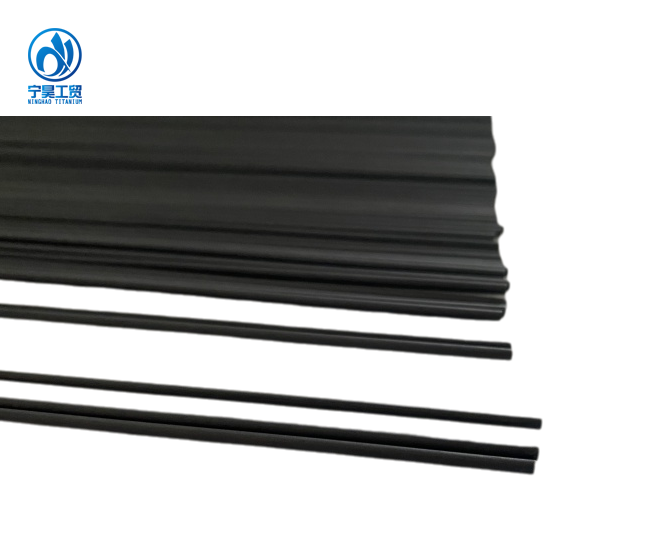
The shape and structure of titanium electrodes can affect the efficacy of electrolysis systems. Mesh electrodes provide high surface area, making them ideal for applications requiring uniform current distribution; rod or plate electrodes may be more suitable for systems with space constraints or specific current requirements. The geometric structure that best aligns with system design and operational needs should be selected.
Current Density and Operational Parameters
Understanding the current density requirements of electrolysis processes is crucial for selecting titanium electrodes. Higher current densities may necessitate electrodes with specialized coatings or larger surface areas to prevent overheating and maintain efficiency. Additionally, factors such as electrolyte composition, temperature, and pH should be considered, as these affect electrode performance and lifespan.
Service Life and Maintenance Considerations
Although titanium electrodes are renowned for their durability, their service life varies depending on application scenarios and operating conditions. The expected service life of different electrode options should be evaluated, along with ease of maintenance and replacement. Some advanced titanium electrodes for electrolysis feature functionalities like reversible polarity, which can extend operational life by reducing scaling.
Customization Options
Each electrolysis system has unique requirements. Seek suppliers offering customization services for titanium electrodes, which may include custom coatings, special dimensions, or integrated monitoring systems. Customized solutions can significantly enhance the efficiency and effectiveness of electrolysis processes.

Environmental Impact and Sustainability
As industries develop toward greater sustainability, the environmental impact of electrode selection must be considered. Titanium electrodes (particularly those with advanced coatings) contribute to more environmentally friendly electrolysis processes by reducing energy consumption and decreasing the use of hazardous chemicals.
Conclusion
Selecting optimal titanium electrodes for electrolysis systems is a multifaceted decision-making process that significantly impacts operational efficiency, cost-effectiveness, and environmental footprint. By carefully considering factors such as coating type, geometric structure, operational parameters, and customization options, you can optimize your electrolysis processes for peak performance levels.
BAOJI NINGHAO INDUSTRY AND TRADE CO., LTD. specializes in developing and producing high-performance titanium electrode solutions for electrolysis. Our technical team is always ready to provide support, helping you find the most suitable titanium electrode solutions based on your specific needs. For more information or to discuss specific requirements, please contact us. Email: sales02@nh-ti.com.
References
Smith, J. A., & Johnson, B. C. (2022). "Advancements in Titanium Electrode Technology for Industrial Electrolysis." Journal of Electrochemical Engineering, 45(3), 287-301.
Chen, X., & Zhang, Y. (2021). "Comparative Analysis of Titanium Electrode Coatings in Water Treatment Applications." Water Science and Technology, 83(9), 2145-2160.
Patel, R., & Brown, K. L. (2023). "Optimization of Titanium Electrode Geometries for Enhanced Electrolysis Efficiency." International Journal of Electrochemistry, 18(2), 124-139.
Lopez, M. S., & Garcia, D. R. (2022). "Environmental Impact Assessment of Titanium Electrodes in Industrial Electrolysis Processes." Sustainable Chemistry and Engineering, 10(5), 1876-1891.
Anderson, E. T., & Wilson, F. H. (2023). "Selection Criteria for Titanium Electrodes in Modern Electrolysis Systems: A Comprehensive Review." Electrochimica Acta, 412, 141-158.
YOU MAY LIKE
 VIEW MOREMMO titanium anode rod
_1769589764040.webp) VIEW MOREMMO titanium mesh anode
VIEW MOREMMO titanium mesh anode_1767772153491.webp) VIEW MOREtitanium electrodes in electrolysis
VIEW MOREtitanium electrodes in electrolysis_1768293612714.webp) VIEW MORElridium Tantalum Oxide Titanium anode plate for Copper Electrowinning
VIEW MORElridium Tantalum Oxide Titanium anode plate for Copper Electrowinning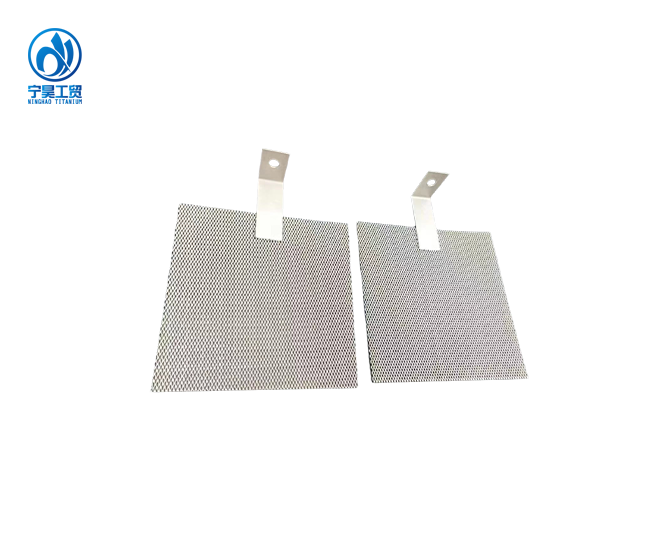 VIEW MOREplatinized titanium anode
_1768984222648.webp) VIEW MOREplatinized titanium anode for electrolysis
VIEW MOREplatinized titanium anode for electrolysis VIEW MORESelf clean salt chlorine generator for pool
_1768812199239.webp) VIEW MOREMMO Anode for Degradation and Decolorization
VIEW MOREMMO Anode for Degradation and Decolorization