




How Titanium Electrodes Revolutionize Electrolysis Processes
In the field of electrochemistry, titanium electrodes for electrolysis have become a key technology revolutionizing various industrial processes. These advanced electrodes perfectly combine durability, efficiency, and cost-effectiveness, making them indispensable in modern electrochemical applications. Let us delve into how titanium electrodes are reshaping electrolysis processes across industries.
The Evolutionary Path of Electrode Materials in Electrolysis
Electrolysis, as a process that utilizes electrical energy to drive non-spontaneous chemical reactions, has been a core technology in numerous industrial applications for decades. However, the efficiency and effectiveness of this process largely depend on the electrode materials used. Titanium anodes for electrolysis represent a significant leap forward in this technology.
Comparison Between Traditional Electrode Materials and Titanium
Historically, materials such as carbon, lead, and platinum were commonly used as electrodes in electrolysis processes. Although each had its advantages, they also presented significant drawbacks: carbon electrodes, while inexpensive, lacked durability; lead electrodes posed environmental risks; and platinum, although highly efficient, was prohibitively expensive for large-scale applications due to its high cost.
The advent of titanium electrodes has changed this landscape. These innovative components combine the advantages of traditional materials while effectively avoiding their shortcomings. Titanium electrodes for electrolysis offer exceptional corrosion resistance, high conductivity, and outstanding durability while maintaining a more favorable price point than platinum.
The Rise of Mixed Metal Oxide-Coated Titanium Anodes
The true revolution in titanium electrode technology began with the development of mixed metal oxide coatings. These coatings, typically composed of precious metals such as ruthenium, iridium, or platinum, further enhance the performance of titanium electrodes.
Compared to uncoated titanium electrodes or traditional electrode materials, MMO-coated titanium anodes demonstrate superior conductivity, lower overpotential, and longer service life. This breakthrough development has opened new possibilities for electrolysis applications ranging from water treatment to metal extraction.
Significant Advantages of Titanium Electrodes in Electrolysis Processes
The adoption of titanium electrodes for electrolysis has brought multiple benefits to various industries. Let us explore the key advantages that make these electrodes the preferred choice for modern electrochemical processes.
Exceptional Corrosion Resistance
One of the most outstanding characteristics of titanium electrodes is their excellent corrosion resistance. This property is particularly important in electrolysis processes, where electrodes are continuously exposed to harsh chemical environments. The inherent corrosion resistance of titanium, combined with the protective effect of MMO coatings, ensures that electrodes maintain their integrity and performance during long-term use.
Comprehensive Enhancement of Efficiency and Performance
Titanium electrodes (especially MMO-coated products) exhibit superior conductivity compared to many traditional electrode materials. This enhanced conductivity improves the energy efficiency of electrolysis processes, reducing energy consumption and operational costs.
Multifunctionality and Customization Capability
Another innovative feature of titanium electrodes for electrolysis is their multifunctionality. These electrodes can be manufactured in various shapes and sizes, including rods, wires, tubes, plates, and meshes. This flexibility enables precise customization according to specific application requirements.

Cross-Industry Applications and Far-Reaching Impact
The revolutionary capabilities of titanium electrodes for electrolysis have been widely applied across multiple industries, each benefiting from their unique properties.
Water Treatment and Purification Field
In the water treatment industry, titanium electrodes have become indispensable tools in purification processes. Their ability to generate strong oxidants such as chlorine and ozone through electrolysis makes them highly effective in disinfection applications. Municipal water treatment plants, swimming pools, and industrial wastewater treatment facilities all benefit from the high efficiency and durability of titanium electrodes.
Chlor-Alkali Production Processes
The chlor-alkali industry produces chlorine, sodium hydroxide, and hydrogen through brine electrolysis, and significant improvements have been achieved with the adoption of titanium electrodes. The corrosion resistance and high current efficiency of MMO-coated titanium anodes have led to more stable and efficient production processes.
Metal Recovery and Electroplating Industries
In the metal surface treatment and recovery fields, titanium electrodes for electrolysis have opened new possibilities. Their ability to withstand corrosive electrolytes makes them ideal for processes such as metal electrowinning.
Emerging Applications in Green Technologies
As the world transitions toward sustainable technologies, titanium electrodes are finding new applications in emerging fields. In hydrogen production through water electrolysis, titanium electrodes play a crucial role in enhancing efficiency and durability. Similarly, in the development of fuel cells and advanced battery technologies, these electrodes are advancing clean energy solutions.
Future Prospects and Continuous Research
The field of titanium electrode technology for electrolysis continues to evolve, aiming to further expand its capabilities through ongoing research and development.
Innovative Breakthroughs in Coating Technologies
Research into new coating materials and processes is one of the most active areas in titanium electrode development. Scientists are exploring new combinations of metal oxides and advanced deposition methods to create coatings with higher conductivity, lower overpotential, and greater durability. Some promising directions include: developing nanostructured coatings to increase the effective surface area of electrodes, and incorporating rare earth elements to enhance catalytic performance.
Integration and Application of Smart Technologies
As industry moves toward higher levels of automation and data-driven decision-making, interest in combining titanium electrodes with intelligent monitoring systems is growing. These advanced configurations can enable real-time monitoring of electrode performance, predictive maintenance, and automatic optimization of electrolysis processes. The development of smart electrodes could bring revolutionary changes to industrial electrolysis by improving efficiency, reducing downtime, and enhancing overall process control.
Application Expansion in Emerging Fields
The unique properties of titanium electrodes for electrolysis are opening new pathways for applications beyond traditional industrial processes. For example, in the biotechnology field, researchers are exploring the use of titanium electrodes in bioelectrochemical systems for waste treatment and biofuel production. Additionally, in the rapidly developing field of nanotechnology, titanium electrodes are receiving attention for their potential in the electrochemical synthesis and control of nanomaterials.
Conclusion
The transformative impact of titanium electrodes on electrolysis processes is profound and ongoing. From enhancing the efficiency of traditional industrial applications to promoting the development of new sustainable technologies, these innovative components are at the forefront of electrochemical advancements.
As research progresses and new applications emerge, the role of titanium electrodes for electrolysis in shaping a more efficient, sustainable, and technologically advanced future becomes increasingly clear. Their combination of durability, efficiency, and multifunctionality makes them indispensable tools in our pursuit of improved industrial processes and cleaner technologies.
To explore the potential of titanium electrodes in specific applications, or to learn more about these revolutionary components, please feel free to contact the professional team at BAOJI NINGHAO INDUSTRY AND TRADE CO., LTD. Email: sales02@nh-ti.com. Our technical experts are always ready to provide professional insights and solutions tailored to your unique electrochemical needs.
References
1. Chen, X., & Mao, S. S. (2007). Titanium dioxide nanomaterials: synthesis, properties, modifications, and applications. Chemical Reviews, 107(7), 2891-2959.
2. Martínez-Huitle, C. A., & Ferro, S. (2006). Electrochemical oxidation of organic pollutants for the wastewater treatment: direct and indirect processes. Chemical Society Reviews, 35(12), 1324-1340.
3. Trasatti, S. (2000). Electrocatalysis: understanding the success of DSA®. Electrochimica Acta, 45(15-16), 2377-2385.
4. Panizza, M., & Cerisola, G. (2009). Direct and mediated anodic oxidation of organic pollutants. Chemical Reviews, 109(12), 6541-6569.
5. Kraft, A. (2007). Doped diamond: a compact review on a new, versatile electrode material. International Journal of Electrochemical Science, 2(5), 355-385.
YOU MAY LIKE
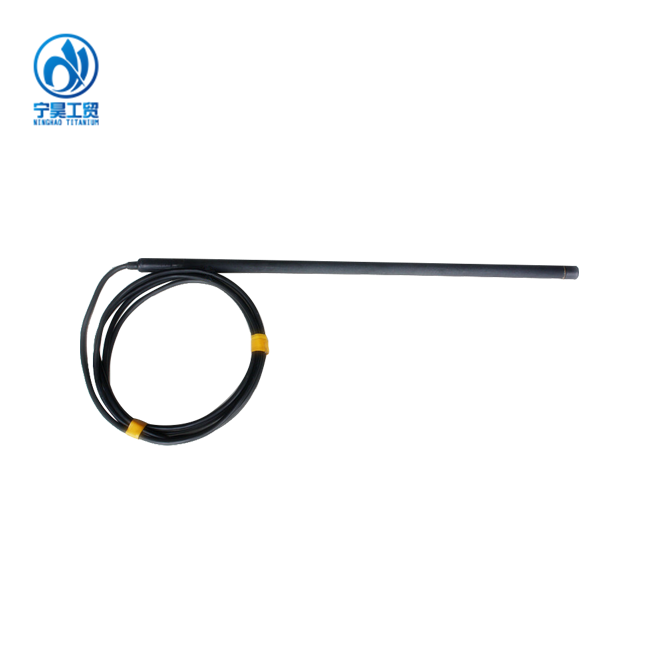 VIEW MOREICCP Protected MMO Coated Titanium Anodes
_1767855136209.webp) VIEW MOREgrade 1 titanium electrode
VIEW MOREgrade 1 titanium electrode_1755237559571.webp) VIEW MORELead dioxide titanium electrode
VIEW MORELead dioxide titanium electrode_1768361974486.webp) VIEW MOREplatinized titanium for anodizing
VIEW MOREplatinized titanium for anodizing_1769413480074.webp) VIEW MOREPlatinum plated titanium mesh anode for hydrogenproduction by water electrolysis
VIEW MOREPlatinum plated titanium mesh anode for hydrogenproduction by water electrolysis_1770193827592.webp) VIEW MOREMMO Coated Titanium Anode for Metal Electroplating
VIEW MOREMMO Coated Titanium Anode for Metal Electroplating_1755237880729.webp) VIEW MOREMMO Coated Titanium Anode for Electroplating
VIEW MOREMMO Coated Titanium Anode for Electroplating_1768808990119.webp) VIEW MORETitanium Anode for Treatment of Landfill Leachate
VIEW MORETitanium Anode for Treatment of Landfill Leachate