




How to Improved Durability and Efficiency Electroplating with Titanium Electrodes?
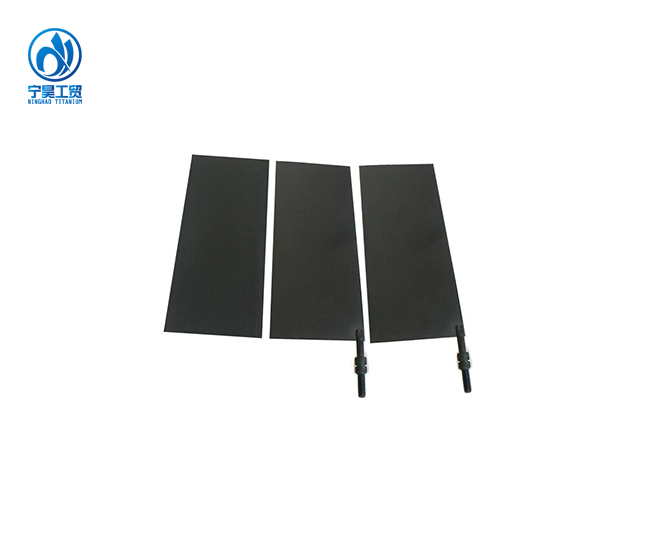
In electroplating processes, the choice of electrode material directly affects coating quality and production efficiency. Titanium electrodes, due to their good electrical conductivity and corrosion resistance, have become a choice in the electroplating industry. This article introduces the basic advantages, key usage points, and technological trends of titanium electrodes in electroplating.
Key Advantages of Titanium Electrodes in Electroplating
Titanium electrodes offer the following characteristics in electroplating processes:
Good Corrosion Resistance: Suitable for chemical environments in plating baths, resistant to corrosion
Good Electrical Conductivity: Helps achieve uniform current distribution and improve coating consistency
Long Service Life: Reduces electrode replacement frequency and lowers maintenance costs
Dimensional Stability: Maintains shape during electroplating, ensuring stable performance
Lightweight: Easy to install and handle
These characteristics make titanium electrodes suitable for various electroplating processes, including chrome plating, nickel plating, and copper plating.
Key Points for Optimizing Electroplating Processes
Electrode Selection
Choose appropriate titanium electrode specifications and shapes based on coating type, substrate material, and plating bath composition.
Surface Preparation
Clean and activate titanium electrodes before use to remove surface contaminants and ensure electrical conductivity. Common methods include chemical etching and mechanical abrasion.
Electrode Arrangement
Properly arrange the distance and position between electrodes and the workpiece to help achieve uniform current distribution and improve coating quality.
Parameter Control
During electroplating, control parameters such as current density, temperature, and solution composition to maintain process stability.
Regular Maintenance
Periodically inspect electrode surface condition, remove deposits, and perform cleaning or regeneration treatments when necessary to extend electrode service life.

Technological Trends
Advanced Coatings
Applying mixed metal oxide coatings (such as ruthenium, iridium, or platinum) to titanium electrodes can improve electrical conductivity and catalytic activity.
Nanostructured Electrodes
Modifying the electrode surface structure through nanotechnology increases specific surface area and improves electrochemical reaction efficiency.
Smart Monitoring
Integrating sensors and IoT technology enables real-time monitoring of electrode condition and process parameters, facilitating predictive maintenance.
Environmentally Friendly Processes
Research into low-temperature electroplating and eco-friendly electrolyte solutions aims to reduce energy consumption and environmental impact.
Conclusion
Titanium electrodes offer good durability and efficiency in electroplating processes. Through proper selection, standardized operation, and regular maintenance, electroplating quality can be improved and operating costs reduced. With ongoing developments in coating technology and smart monitoring, the application of titanium electrodes is expected to expand further.
For more information about titanium electrodes, please contact BAOJI NINGHAO INDUSTRY AND TRADE CO., LTD.: sales02@nh-ti.com
References
China Surface Engineering Association. (2023). Technical Specifications for Electroplating Processes and Equipment.
National Chemical Standardization Technical Committee. (2023). Technical Requirements for Anode Materials in Electrochemical Applications.
Transactions of the IMF. (2024). Titanium as an electrode material in electroplating applications.
Journal of Applied Electrochemistry. (2023). Advances in titanium electrode technology for surface treatment.