




How about Titanium Electrodes in Electroplating and Surface Treatment?
In the fields of electrochemistry and surface treatment, the application of titanium electrodes is changing traditional processing methods. From aerospace to medical device manufacturing, these electrodes play an important role in various industries. This article introduces the basic functions and application value of titanium electrodes in electroplating and surface treatment.
The Basic Role of Titanium Electrodes in Electroplating
Titanium electrodes are used as base electrodes in electroplating processes, helping to form uniform metal coatings on workpiece surfaces. Compared with traditional electrode materials, titanium electrodes offer good corrosion resistance and electrical conductivity.
Key characteristics of titanium electrodes include:
Good corrosion resistance, suitable for chemical environments in plating baths
Good electrical conductivity, helping to achieve uniform current distribution
Long service life, reducing replacement frequency
Dimensional stability, not easily deformed
These characteristics make titanium electrodes suitable for various electroplating processes, including chrome plating, nickel plating, and copper plating.
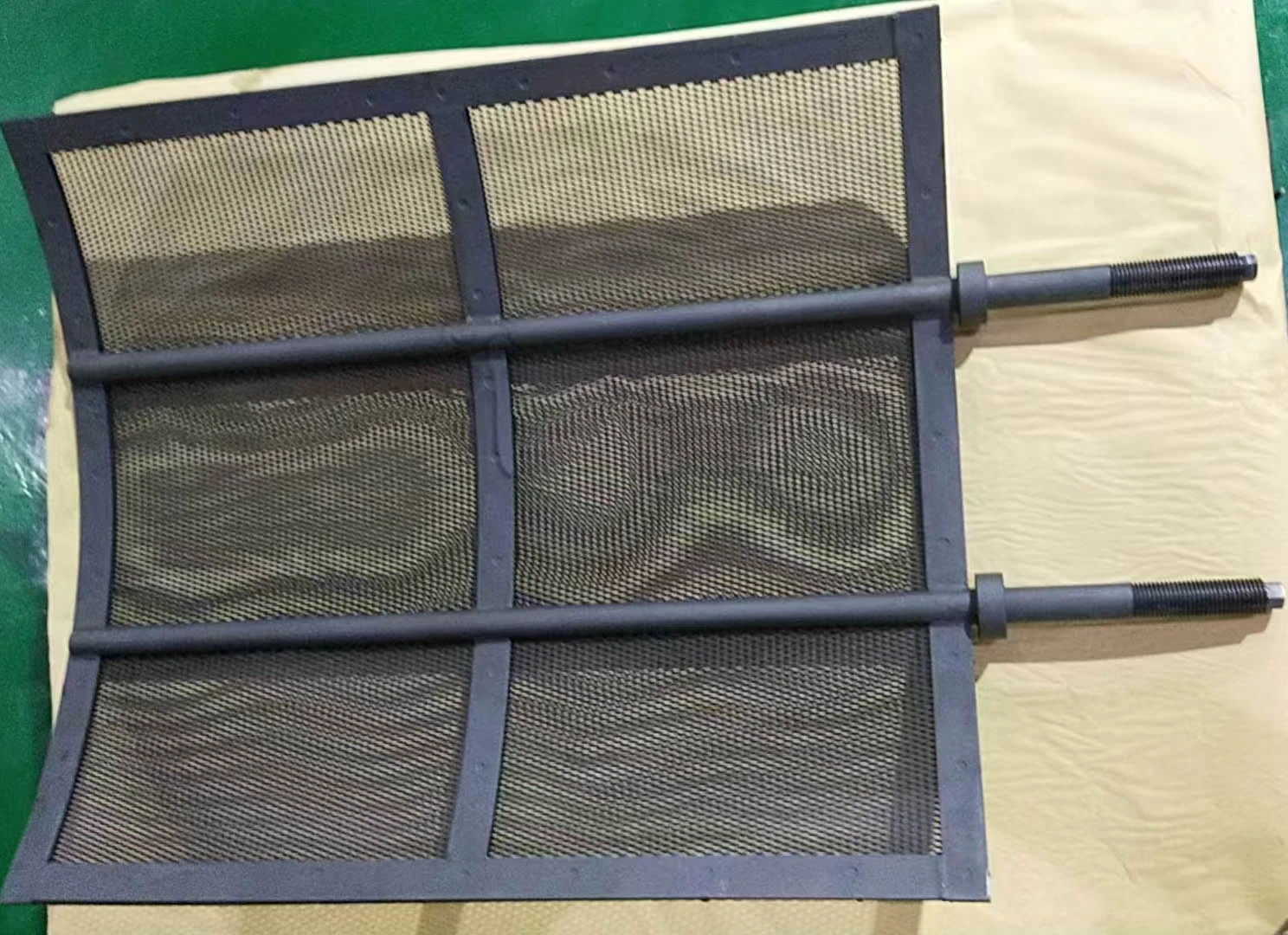
Applications of Titanium Electrodes in Surface Treatment
Automotive Industry
In automotive manufacturing, titanium electrodes are used for electroplating exterior parts such as bumpers and wheels, as well as underbody components that require corrosion resistance. Using titanium electrodes helps improve coating adhesion and uniformity.
Electronics Industry
In the production of printed circuit boards and semiconductor devices, titanium electrodes are used in precision electroplating processes. Their stable performance helps meet the requirements of small size and high reliability in electronic products.
Aerospace Industry
Aerospace components operate in extreme environments and require high-quality surface treatment. Titanium electrodes are used in electroplating processes to help improve corrosion resistance and surface performance of components.
Medical Devices
Implantable devices, surgical instruments, and diagnostic equipment often require specialized surface coatings. Titanium electrodes help control coating uniformity and thickness, meeting the biocompatibility and safety requirements of medical devices.
Advances in Titanium Electrode Technology
Mixed Metal Oxide Coatings
Applying mixed metal oxide coatings (such as ruthenium, iridium, or platinum) to titanium electrodes can enhance catalytic performance and durability. These electrodes have been used in applications such as water treatment and metal recovery.
Nanostructured Electrodes
By modifying the electrode surface structure at the nanoscale, the specific surface area can be increased, improving catalytic activity. These electrodes have potential applications in fuel cells, batteries, and water treatment systems.
Smart Electrode Technology
Embedding sensors within the electrode structure allows real-time monitoring of electrode performance and wear, helping to enable predictive maintenance and process optimization.
Conclusion
Titanium electrodes play an important role in electroplating and surface treatment due to their corrosion resistance, electrical conductivity, and service life. As technology continues to advance, the range of applications for titanium electrodes is expected to expand further.
For more information about titanium electrodes, please contact BAOJI NINGHAO INDUSTRY AND TRADE CO., LTD.: sales02@nh-ti.com
References
1. China Surface Engineering Association. (2023). Technical Specifications for Electroplating Processes and Equipment.
2. National Chemical Standardization Technical Committee. (2023). Technical Requirements for Anode Materials in Electrochemical Applications.
3. Journal of Applied Electrochemistry. (2024). Titanium electrodes in electroplating applications.
4. Electrochimica Acta. (2023). Advances in surface treatment technologies using titanium electrodes.