




How to Choose the Best Electroplating Titanium Electrode?
In electroplating processes, the choice of electrode directly affects coating quality, production efficiency, and system stability. Titanium electrodes, due to their corrosion resistance, electrical conductivity, and service life, have become a common choice in the electroplating industry. This article introduces key factors to consider when selecting an electroplating titanium electrode, helping you make a more informed decision.
The Importance of Titanium Electrodes in Electroplating
Titanium electrodes offer the following characteristics in electroplating applications:
Good corrosion resistance, suitable for chemical environments in plating baths
Good electrical conductivity, helping to achieve uniform current distribution
Long service life, reducing replacement frequency
Performance can be further enhanced through coatings
Selecting the right electrode material helps improve coating quality, reduce energy consumption, and lower maintenance costs.
Key Factors for Selecting an Electroplating Titanium Electrode
Coating Material and Composition
The coating is a key factor affecting electrode performance. Different coating materials are suitable for different applications:
| Coating Type | Suitable Applications |
|---|---|
| Ruthenium-Iridium Oxide | Chlorine and chlorate production, good stability |
| Iridium-Tantalum Oxide | Oxygen evolution in acidic environments |
| Platinum | Applications requiring high catalytic activity and corrosion resistance |
| Lead Dioxide | Oxidation processes in electroplating and wastewater treatment |
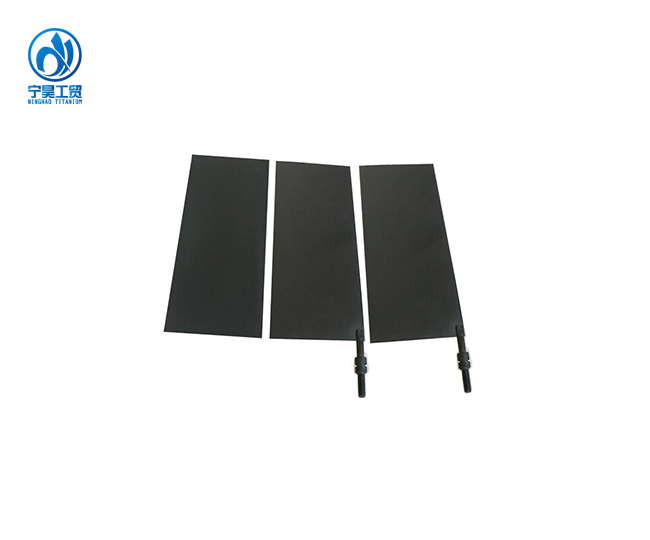
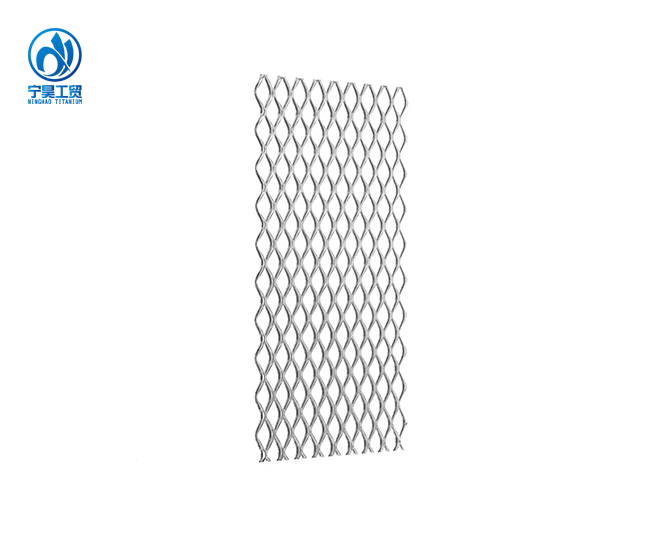
Electrode Design and Geometry
The design of the electrode affects its performance and efficiency. Consider the following aspects:
Surface Area: Larger surface area helps with current distribution and reaction rates
Shape: Optimize electrode shape based on plating tank configuration
Thickness: Affects mechanical strength and current-carrying capacity
Edge Treatment: Proper edge treatment prevents current concentration and extends electrode life
Durability and Service Life
The durability of the electrode directly affects long-term operating costs. Factors to consider include:
Coating thickness (thicker coatings generally last longer but cost more)
Titanium substrate quality
Operating conditions (current density, electrolyte composition, temperature, etc.)
Maintenance practices
Compatibility with Your Electroplating System
Ensure the selected electrode is compatible with your existing system:
Whether the electrical connection method matches
Whether the dimensions fit the plating tank
Whether current and voltage requirements are within power supply capabilities
Whether additional auxiliary equipment is needed
Environmental and Compliance Considerations
When selecting an electrode, also consider environmental factors:
Whether the coating material meets environmental standards
Whether it helps reduce waste
Whether it can lower energy consumption
Whether the electrode can be recycled at the end of its service life
Balancing Performance and Cost
When making a final decision, consider both performance and cost. While high-quality titanium electrodes may have higher initial costs, long-term benefits may include:
More stable product quality
Reduced downtime and maintenance costs
Increased production efficiency
Lower energy consumption
Extended equipment service life
Recommended steps:
Clearly define project requirements and performance goals
Request detailed specifications and performance data from multiple manufacturers
Conduct a cost-benefit analysis considering both short-term and long-term factors
If possible, conduct small-scale tests
Seek advice from professionals
Conclusion
Selecting the right electroplating titanium electrode requires considering multiple factors including coating material, electrode design, durability, system compatibility, and environmental requirements. Through proper selection, coating quality can be maintained while controlling operating costs.
For more information about electroplating titanium electrodes, please contact BAOJI NINGHAO INDUSTRY AND TRADE CO., LTD.: sales02@nh-ti.com
References
1. Smith, J.A. and Johnson, B.C. (2020). "Advancements in Electroplating Titanium Electrode Technology: A Comprehensive Review." Journal of Electrochemical Engineering, 45(3), 201-215.
2. Zhang, L., et al. (2019). "Optimizing Electrode Selection for Industrial Electroplating Applications." Electrochimica Acta, 287, 20-32.
3. Brown, R.T. (2021). "Environmental Considerations in Modern Electroplating Processes." Green Chemistry and Sustainable Technology, 12(2), 145-160.
4. Lee, S.H. and Park, K.W. (2018). "Influence of Electrode Design on Current Distribution in Large-Scale Electroplating Systems." Journal of Applied Electrochemistry, 48(11), 1289-1301.
5. Garcia, M.E., et al. (2022). "Cost-Benefit Analysis of Advanced Titanium Electrodes in Industrial Electroplating: A Case Study." Industrial & Engineering Chemistry Research, 61(15), 5423-5437.