




Advantages of Titanium Electrodes in Electroplating Processes
Electroplating is an essential process in various industries, from automotive manufacturing to jewelry production. As technology advances, the materials and techniques used in electroplating continue to improve. Titanium electrodes, due to their good performance, are gradually changing traditional electroplating methods. This article introduces the key advantages of titanium electrodes in electroplating processes.
Basic Characteristics of Titanium Electrodes
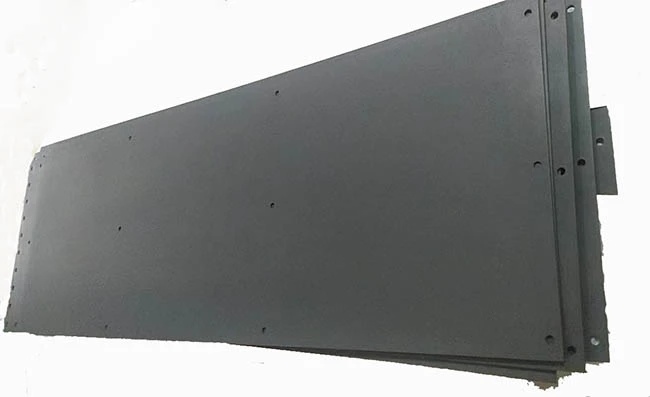
Titanium electrodes typically consist of a high-purity titanium substrate and a surface coating. The coating, usually made of precious metals or metal oxides, provides the catalytic activity needed for electroplating, while the titanium substrate offers mechanical strength and chemical stability.
The advantages of titanium electrodes in electroplating mainly come from their material properties:
Good corrosion resistance
High mechanical strength
Good electrical conductivity (with appropriate coating)
Dimensional stability

Key Advantages of Titanium Electrodes in Electroplating
Corrosion Resistance
Titanium naturally forms an oxide layer when exposed to air, giving it good corrosion resistance in most electrolyte solutions. This property allows titanium electrodes to maintain stable performance in plating baths over long periods.
Long Service Life
Due to their good corrosion resistance, titanium electrodes can withstand repeated use without significant degradation. This reduces the frequency of electrode replacement and helps maintain process stability.
Dimensional Stability
During the electroplating process, titanium electrodes maintain their shape and size well, resisting deformation. This is particularly important for precision electroplating applications.
Wide Applicability
Titanium electrodes can be used in various electroplating processes, serving as either anodes or cathodes, and are suitable for different electrolyte systems. This versatility makes them useful in both decorative and functional plating applications.
Improved Efficiency
Properly coated titanium electrodes have good electrical conductivity, helping to achieve uniform current distribution and improve electroplating efficiency, while potentially reducing energy consumption.
Long-Term Cost Effectiveness
Although the initial cost of titanium electrodes may be higher than some traditional materials, their longer service life and stable performance help reduce long-term operating costs.
Environmental Benefits
The longer service life of titanium electrodes reduces replacement frequency, helping to minimize waste generation. Additionally, their higher electroplating efficiency can also help reduce energy consumption.
Applications and Future Prospects
Titanium electrodes are widely used in electroplating, including:
Precious Metal Plating: Used in gold, silver, and platinum plating processes, their stability helps reduce contamination
Hard Chrome Plating: Used in automotive and aerospace industries, their corrosion resistance is beneficial
Printed Circuit Board Manufacturing: Dimensional stability helps meet precision requirements
Wastewater Treatment: Used in electrochemical treatment processes, their corrosion resistance and long service life make them suitable for such applications
With advancements in coating technology and nanotechnology, the performance of titanium electrodes is expected to improve further. In the future, titanium electrodes may be combined with smart monitoring technology to enable real-time monitoring and optimization of electroplating processes.
Conclusion
Titanium electrodes offer practical value in electroplating processes due to their corrosion resistance, service life, dimensional stability, and wide applicability. As industries continue to demand higher efficiency and environmental standards, the application range of titanium electrodes is expected to expand further.
For more information about titanium electrodes, please contact BAOJI NINGHAO INDUSTRY AND TRADE CO., LTD.: sales02@nh-ti.com
References
Walsh, F. C., & Ponce de León, C. (2018). Versatile electrochemical coatings and surface layers from aqueous methanesulfonic acid. Surface and Coatings Technology, 347, 511-528.
Martínez-Huitle, C. A., & Ferro, S. (2006). Electrochemical oxidation of organic pollutants for the wastewater treatment: direct and indirect processes. Chemical Society Reviews, 35(12), 1324-1340.
Aromaa, J., & Forsén, O. (2006). Evaluation of the electrochemical activity of a Ti–RuO2–TiO2 permanent anode. Electrochimica Acta, 51(27), 6104-6110.
Chen, X., Chen, G., & Yue, P. L. (2001). Stable Ti/IrOx-Sb2O5-SnO2 anode for O2 evolution with high oxygen evolution potential. The Journal of Physical Chemistry B, 105(20), 4623-4628.
Kraft, A. (2007). Doped diamond: a compact review on a new, versatile electrode material. International Journal of Electrochemical Science, 2(5), 355-385.