




How Platinum Titanium Anodes Enhance Performance in Water Treatment Systems
Platinum-Titanium Anodes in Water Treatment Systems
Water treatment systems are essential for delivering clean and safe water across municipal, industrial, and residential applications. Among the key components driving system efficiency, platinum-titanium anodes stand out for their exceptional performance, extended service life, and environmental advantages over conventional anode materials.
The Science of Platinum-Titanium Anodes
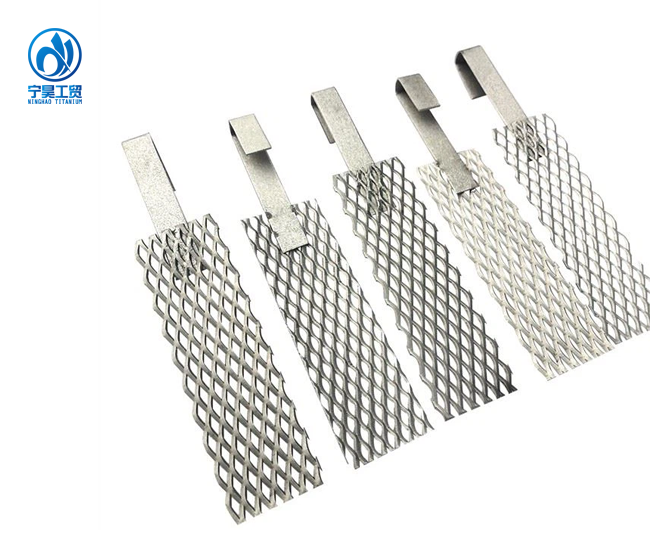
Platinum-titanium anodes belong to the category of dimensionally stable anodes (DSAs), combining the structural strength and corrosion resistance of titanium with the superior electrocatalytic properties of platinum. The titanium base offers long-term durability in aggressive environments, while the thin platinum coating—applied via advanced methods such as electrodeposition or thermal decomposition—ensures high electrochemical activity and stability.
A major advantage of these anodes is their low overpotential for oxygen evolution reactions. This reduces the energy required to drive key electrochemical processes, improving the overall energy efficiency of water treatment operations. Furthermore, the platinum layer enhances the in-situ generation of powerful oxidants—such as chlorine and ozone—which are critical for disinfection and contaminant degradation.
Performance Benefits in Water Systems
Energy Efficiency
The excellent electrocatalytic performance of platinum-titanium anodes supports higher current efficiency, enabling systems to achieve target water quality with lower power consumption. This leads to reduced operational costs and a smaller carbon footprint.Long Service Life
These anodes demonstrate outstanding corrosion resistance and mechanical stability under harsh operating conditions, significantly outlasting traditional anodes. Their extended lifespan cuts replacement frequency, maintenance efforts, and system downtime.Superior Water Quality
By efficiently generating reactive oxygen species and disinfectants, platinum-titanium anodes improve the removal of pollutants such as organic compounds, pathogens, and heavy metals. This results in safer and cleaner water output.Process Versatility
Suitable for a variety of electrochemical water treatment methods—including electrochlorination, electrocoagulation, and advanced oxidation processes—these anodes can be applied in settings ranging from small residential units to large industrial or municipal plants.Reduced Chemical Consumption
The ability to produce oxidizing agents on-site minimizes the need for external chemical additions. This not only lowers operational expenses but also reduces hazards related to chemical handling and storage.Environmental Sustainability
With lower energy demand, decreased chemical usage, and long-term reliability, platinum-titanium anodes support greener water treatment operations, aligning with modern sustainability goals.
Applications Across Water Systems
Municipal Water Disinfection
Used in electrochlorination systems to produce chlorine efficiently, enhancing safety by avoiding bulk chemical storage.Industrial Wastewater Treatment
Effective in degrading persistent organic pollutants and removing heavy metals, helping industries comply with environmental regulations.Swimming Pool & Spa Sanitation
Ideal for saltwater chlorination systems, providing consistent chlorine generation with minimal maintenance.Ballast Water Management
Employed in shipboard treatment systems to prevent the spread of invasive species through efficient water disinfection.Groundwater Remediation
Supports the breakdown of contaminants in polluted groundwater via electrochemical oxidation, enabling site cleanup.
Future Outlook
As global water quality standards tighten and resources become scarcer, the demand for efficient, durable, and eco-friendly treatment solutions continues to grow. Platinum-titanium anodes are well-positioned to play an expanding role in meeting these needs, thanks to their proven performance and adaptability across a wide spectrum of applications.
Conclusion
Platinum-titanium anodes represent a technologically advanced solution for enhancing the effectiveness and sustainability of water treatment systems. Their unique material properties contribute to energy savings, operational reliability, and improved treatment outcomes—making them a valuable investment for future-ready water infrastructure.
Contact Us
For more information on integrating platinum-titanium anodes into your water treatment processes, or to explore customized electrochemical solutions, please contact:BAOJI NINGHAO INDUSTRY AND TRADE CO., LTD. Email: sales02@nh-ti.com
Our team is ready to provide expert guidance and tailored solutions for your specific needs.
References
Trasatti, S. (2000). Electrocatalysis: understanding the success of DSA®. Electrochimica Acta, 45(15-16), 2377-2385.
Chen, X., Chen, G., & Yue, P. L. (2001). Stable Ti/IrOx-Sb2O5-SnO2 anode for O2 evolution with high oxygen evolution efficiency. The Journal of Physical Chemistry B, 105(20), 4623-4628.
Martínez-Huitle, C. A., & Ferro, S. (2006). Electrochemical oxidation of organic pollutants for the wastewater treatment: direct and indirect processes. Chemical Society Reviews, 35(12), 1324-1340.
Comninellis, C., & Chen, G. (Eds.). (2010). Electrochemistry for the Environment. Springer Science & Business Media.
Kraft, A. (2007). Doped diamond: a compact review on a new, versatile electrode material. International Journal of Electrochemical Science, 2(5), 355-385.