




High-Efficiency and Eco-Friendly Sodium Hypochlorite Electrolyzer: Technology and Application Analysis
High-Efficiency and Eco-Friendly Sodium Hypochlorite Electrolyzer: Technology and Application Analysis
In modern water treatment, disinfection, and environmental protection fields, sodium hypochlorite is widely used as a safe and efficient disinfectant. Compared with traditional chemical preparation methods, on-site sodium hypochlorite generation via electrolysis technology has increasingly become the preferred disinfection solution across various industries due to its advantages such as simple operation, low operating costs, and environmental friendliness. This article systematically introduces the sodium hypochlorite electrolyzer using titanium electrodes from three aspects: technical structure, core advantages, and practical applications.
Core Structure and Technical Parameters of the Electrolyzer
1. Electrode System Design
Anode: Uses titanium electrodes coated with ruthenium-iridium mixed oxides, offering excellent electrocatalytic activity and resistance to electrolytic oxidation, significantly improving chloride ion conversion efficiency and extending electrode service life.
Cathode : Made of GR1/GR2 titanium, providing good corrosion resistance and mechanical strength suitable for various water quality environments.
Operating Current Density: ≤1500 A/m², ensuring system stability while maintaining high efficiency.
Design Life: Under normal operating conditions, the electrode system can last 3-5 years with low maintenance costs.
2. Tank Structure Design
Tank Material: Made of PMMA (acrylic) or UPVC (unplasticized polyvinyl chloride), offering excellent corrosion resistance, high transparency (for easy monitoring), and good insulation properties for enhanced safety.
Structural Forms: Supports monopolar and bipolar designs and can be customized into cylindrical, tubular, and chip-type electrode groups based on output and installation requirements, providing flexibility for different application scenarios.
Technical Features and Advantages
1. Independently Developed Electrodes with Superior Performance
The titanium electrodes are independently developed and produced by our company. Through multiple processes, a mixed coating of precious metal oxides such as ruthenium and iridium is applied to the titanium substrate, offering the following characteristics:
High Electrocatalytic Activity: Improves reaction efficiency and reduces energy consumption.
Strong Resistance to Electrolytic Oxidation: Extends electrode service life in chlorine-containing environments.
Reconfigurable Design: Supports optimized electrode arrangements to adapt to different production capacities and installation conditions.
2. Optimized Structural Design for Improved Energy Efficiency
Simplified Connections: Innovative electrode and electrolyzer structure design reduces connector resistance and minimizes energy loss.
Lower Operating Voltage: Optimized current distribution significantly reduces electrolytic voltage and improves overall efficiency.
Stable Operation: The system maintains stable output across a wide range of brine concentrations and flow rates.
3. Outstanding Environmental and Economic Benefits
On-Site Generation, Immediate Use: Eliminates the need for storing and transporting chemical chlorine agents, reducing safety risks.
Simple Raw Materials: Requires only salt and water, with low-cost and readily available inputs.
Environmentally Friendly: No harmful by-products, aligning with green production requirements.
High Automation Level: Supports PLC control for fully automated operation and remote monitoring.

Main Application Areas
1. Drinking Water and Tap Water Disinfection
Used for disinfection in water treatment plants and secondary water supply systems, offering effective sterilization without harmful by-products such as trihalomethanes.
2. Municipal and Industrial Wastewater Treatment
Suitable for disinfection of effluent from wastewater treatment plants and terminal sterilization, decolorization, and deodorization in industries such as chemicals, pharmaceuticals, and textiles.
3. Swimming Pool, Hot Spring, and Spa Disinfection
Replaces chlorine gas or commercial sodium hypochlorite, providing a safer and more convenient solution with stable water quality.
4. Biofouling Prevention in Seawater Cooling Systems
Used in circulating water systems for power plants, ships, and offshore platforms to prevent the growth of shellfish and algae.
5. Agricultural and Food Processing Disinfection
Applicable for disinfection in livestock farms, food processing workshops, and fruit and vegetable cleaning.
6. Medical and Public Health Disinfection
Suitable for non-invasive disinfection scenarios such as instrument cleaning and environmental sterilization.
Why Choose Our Titanium Electrode Electrolyzer?
Independent Technological Control: Electrodes are independently developed with mature coating processes, ensuring stable and reliable performance.
Flexible and Customizable Structure: Electrolysis systems can be designed according to customer requirements for different production capacities and installation forms.
High Energy Efficiency and Long Lifespan: Optimized design improves overall electrolysis efficiency, with electrode lifespan meeting industry-leading standards.
Comprehensive Service Support: Provides end-to-end services, from selection and design to installation, commissioning, and operational guidance.
As global requirements for water safety, public health, and industrial environmental protection continue to rise, on-site sodium hypochlorite generation via electrolysis technology will continue to leverage its comprehensive advantages in safety, economy, and environmental friendliness. We will continue to optimize titanium electrode and electrolyzer designs to promote the large-scale and intelligent application of this technology in more fields.
If you have related project needs or technical inquiries, please contact BAOJI NINGHAO INDUSTRY AND TRADE CO., LTD. at sales02@nh-ti.com for detailed solutions and support.
References
1. “On-site Generation of Sodium Hypochlorite by Electrolysis: Technology and Applications,” Water Research, 2023.
2. “Performance of Ru-Ir Coated Titanium Anodes in Brine Electrolysis for Disinfection,” Journal of Electroanalytical Chemistry, 2022.
3. “Design and Optimization of Electrolytic Cells for Sodium Hypochlorite Production,” Industrial & Engineering Chemistry Research, 2021.
4. “Environmental and Economic Benefits of On-site Electrochlorination Systems,” Clean Technologies and Environmental Policy, 2023.
YOU MAY LIKE
_1755236336371.webp) VIEW MOREmmo coated titanium anodes for cathodic protection
VIEW MOREmmo coated titanium anodes for cathodic protection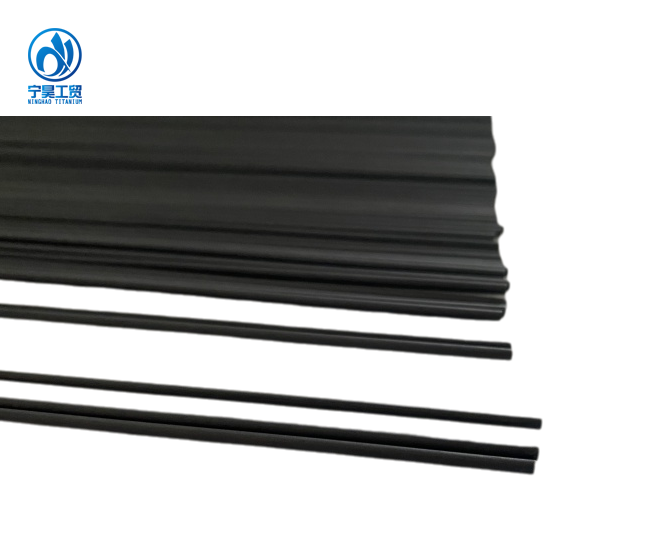 VIEW MOREMMO titanium anode rod
_1769584597435.webp) VIEW MOREMMO Tubular Anode
VIEW MOREMMO Tubular Anode_1767855535474.webp) VIEW MOREelectroplating titanium electrode
VIEW MOREelectroplating titanium electrode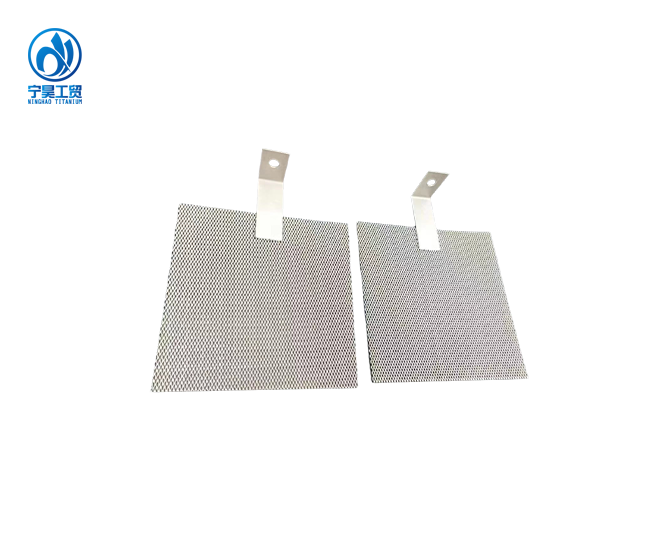 VIEW MOREtitanium electrodes
_1768293612714.webp) VIEW MORElridium Tantalum Oxide Titanium anode plate for Copper Electrowinning
VIEW MORElridium Tantalum Oxide Titanium anode plate for Copper Electrowinning_1768298165832.webp) VIEW MOREMMO Anode for Zinc Electrowinning Cell
VIEW MOREMMO Anode for Zinc Electrowinning Cell_1768984222648.webp) VIEW MOREplatinized titanium anode for electrolysis
VIEW MOREplatinized titanium anode for electrolysis