




What Makes Titanium Electrodes the Ideal Choice for Electrolysis?
In the field of electrochemistry, titanium electrodes have been applied in various electrolysis processes due to their performance characteristics. From water treatment to metal production, these electrodes play a role in multiple industries. This article introduces the key properties, advantages, and applications of titanium electrodes in electrolysis.
Key Properties of Titanium Electrodes
Titanium electrodes have the following characteristics that make them suitable for electrolysis processes:
Good Corrosion Resistance: Remain stable in corrosive chemical environments without significant degradation
High Strength-to-Weight Ratio: Sturdy and lightweight, suitable for large-scale electrolysis systems
Good Electrical Conductivity: Facilitates energy transfer and reduces power loss
Good Biocompatibility: Suitable for medical and environmental applications where non-toxic byproducts are required
Chemical Stability: Does not interfere with the electrolysis process, ensuring product purity
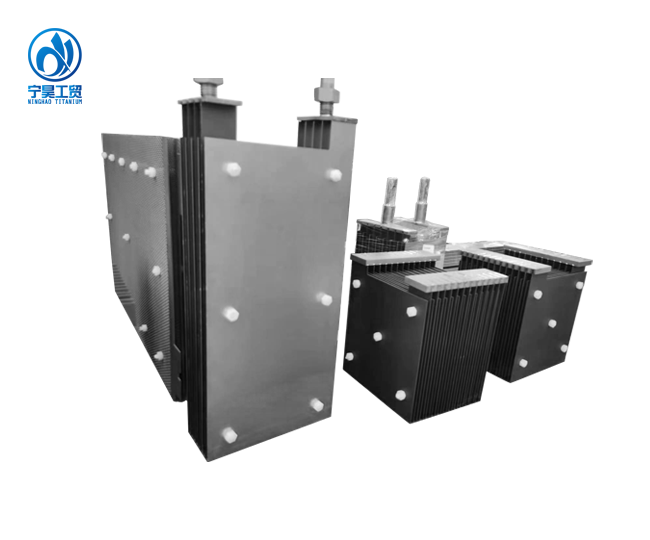
Advantages of Titanium Electrodes in Electrolysis
Improved Efficiency
Titanium electrodes facilitate faster reaction rates and better current distribution, helping to increase yields and reduce energy consumption. This improved efficiency not only boosts productivity but also contributes to more sustainable operations by minimizing resource utilization.
Wide Applicability
Titanium electrodes can be customized and coated with different materials to meet the requirements of specific electrolysis applications. For example, applying ruthenium-iridium coatings to titanium anodes can enhance catalytic properties, while platinum coatings improve performance in chlor-alkali production. This adaptability makes titanium electrodes effective across a range of electrolysis processes.
Improved Product Quality
The resistance of titanium electrodes to contamination and their ability to maintain stable performance over long periods help ensure consistent output quality. This characteristic is particularly important in industries where product purity is critical, such as chemical production or water treatment.
Reduced Downtime and Replacement Costs
The durability of titanium electrodes in corrosive environments reduces the frequency of maintenance and replacement. Their long service life helps improve operational efficiency and reduce long-term costs.
Applications of Titanium Electrodes in Electrolysis
Water Treatment
In water treatment, titanium electrodes are used in electrochemical disinfection processes, helping to remove contaminants and produce potable water.
Chlor-Alkali Industry
The chlor-alkali industry relies on titanium anodes for the production of chlorine, caustic soda, and hydrogen, which are essential chemicals in numerous manufacturing processes.
Metal Recovery and Refining
In electrowinning processes, titanium electrodes are used to extract metals from ores, with performance and service life surpassing traditional electrode materials.
Surface Treatment
Aerospace and automotive industries rely on titanium electrodes for surface treatments such as anodizing and electroplating. Their durability and efficiency enhance the quality and reliability of these applications.
Future Development Prospects
As technology advances, the application range of titanium electrodes in electrolysis continues to expand. In emerging technologies such as flow batteries for renewable energy storage, titanium electrodes are being studied to improve efficiency and durability. Water electrolysis for green hydrogen production is another promising application direction for titanium electrodes.
The performance of titanium electrodes continues to improve through advanced coatings and surface modifications. These developments aim to enhance catalytic activity, reduce overpotential, and extend electrode service life. As industrial processes become increasingly electrified in the pursuit of sustainability, the demand for high-performance titanium electrodes is expected to grow.
Conclusion
Titanium electrodes offer multiple advantages in electrolysis processes. Their corrosion resistance, electrical conductivity, and wide applicability make them suitable for water treatment, chlor-alkali production, metal recovery, surface treatment, and other fields as electrode technology continues to develop.
For more information about titanium electrodes, please contact BAOJI NINGHAO INDUSTRY AND TRADE CO., LTD.: sales02@nh-ti.com
References
1. Smith, J. A., & Johnson, B. C. (2020). "Advances in Titanium Electrode Technology for Industrial Electrolysis." Journal of Applied Electrochemistry, 50(3), 245-260.
2. Chen, X., Wang, Y., & Li, D. (2019). "Titanium Electrodes in Chlor-Alkali Production: A Comprehensive Review." Chemical Engineering Journal, 375, 121965.
3. Rodriguez, M. A., & Garcia, L. F. (2021). "Application of Titanium Electrodes in Water Treatment: Current Status and Future Prospects." Water Research, 188, 116528.
4. Thompson, R. K., & Williams, E. S. (2018). "Electrochemical Performance of Coated Titanium Anodes in Metal Recovery Processes." Hydrometallurgy, 180, 26-35.
5. Yamaguchi, H., & Tanaka, K. (2022). "Recent Developments in Titanium Electrode Coatings for Enhanced Electrocatalytic Activity." ACS Catalysis, 12(7), 4185-4201.