




What Makes Titanium Electrodes So Special for Electroplating and Sensing?
Titanium electrodes are used in many modern technologies. They are important in electroplating and sensor applications. This article explains their properties, uses, and benefits.
Remarkable Characteristics of Titanium Electrodes
Titanium electrodes have several special properties. They are lightweight but strong. They resist corrosion very well. A protective oxide layer forms on their surface. This layer helps them last longer in harsh environments.
These electrodes are stable in strong acids and alkalis. This stability is important in many electroplating processes. Titanium is also biocompatible. This makes it useful in biosensing applications.
Titanium electrodes can be coated with other materials. This makes them more versatile. For example, ruthenium-iridium coatings are used in chlorine production. Platinum coatings are used in water treatment.
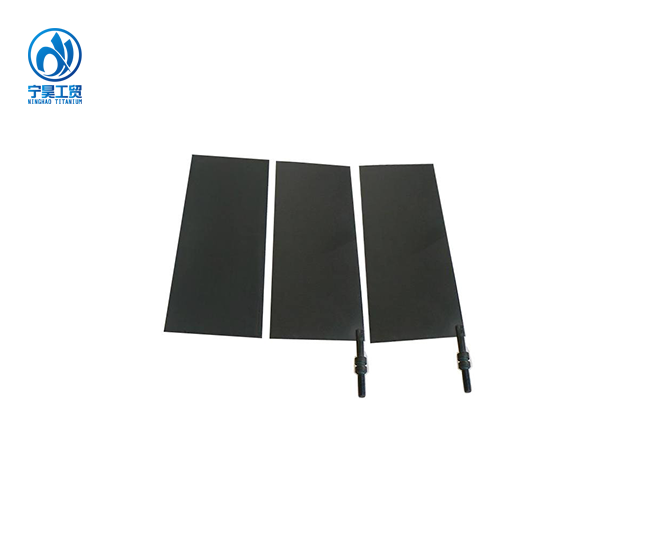
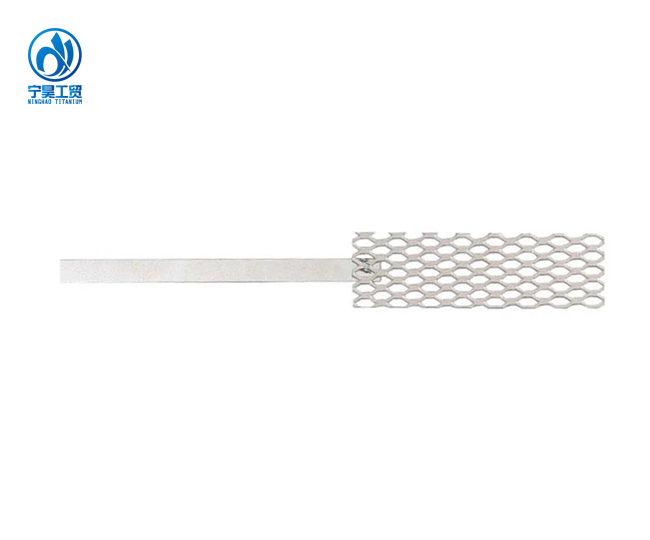
Titanium Electrodes in Electroplating
Titanium electrodes have changed electroplating. They are durable and resist corrosion. They allow better control over plating processes. This results in higher quality finishes and greater consistency.
In the automotive and aerospace industries, titanium electrodes are used to make wear-resistant coatings. These coatings protect components in extreme conditions. Titanium electrodes can handle high current densities. This allows for faster plating rates and higher productivity.
Titanium electrodes also support more environmentally friendly processes. They last a long time, so they need fewer replacements. This reduces waste and downtime. They also improve energy efficiency, which lowers carbon footprints.
Titanium Electrodes in Sensor Technology
Titanium electrodes have improved sensor technology. They are used in environmental monitoring and medical diagnostics. Their stability and biocompatibility make them good for implantable sensors.
In electrochemical sensors, titanium electrodes serve as strong platforms. They can be coated with different materials to enhance selectivity and sensitivity.
Titanium electrodes are also used in environmental sensors. They resist corrosion in water, so they provide reliable measurements over long periods. This is useful in remote sensing applications.
Conclusion
Titanium electrodes have unique properties that make them valuable in electroplating and sensor technologies. They are durable, versatile, and perform well in many applications. As research continues, they will play an even bigger role in modern electrochemistry.
For more information, please contact BAOJI NINGHAO INDUSTRY AND TRADE CO., LTD. at sales02@nh-ti.com.
References
1. Smith, J. A., & Johnson, B. C. (2021). "Advanced Applications of Titanium Electrodes in Modern Electroplating Techniques." Journal of Electrochemical Engineering, 45(3), 287-301.
2. Lee, S. H., Park, Y. J., & Kim, D. W. (2020). "Titanium-Based Electrodes for Next-Generation Biosensors: A Comprehensive Review." Sensors and Actuators B: Chemical, 312, 128032.
3. Wang, X., Chen, L., & Liu, Y. (2019). "Enhancing the Performance of Electrochemical Sensors Using Modified Titanium Electrodes." Electrochimica Acta, 298, 246-258.
Brown, R. T., & Davis, E. M. (2022). "Innovations in Titanium Electrode Design for Sustainable Electroplating Processes." Green Chemistry & Technology Letters, 7(2), 89-103.
4. Zhang, Q., Li, H., & Wu, Z. (2018). "The Role of Titanium Electrodes in Advancing Environmental Monitoring Technologies." Environmental Science & Technology, 52(14), 7823-7835.