




The Cost of Titanium Electrodes
In the field of pool water quality maintenance, salt chlorinators are becoming an increasingly popular choice for pool owners. At the heart of these systems, titanium electrodes play a critical role in the chlorine generation process. However, the price of titanium electrodes often raises questions. This article explores the value of titanium electrodes to help you determine whether this investment is worthwhile.
The Role of Titanium Electrodes in Salt Chlorinators
Titanium electrodes are the core components of salt chlorinators, converting sodium chloride in saltwater into chlorine through electrolysis. As saltwater passes through the electrolytic cell, the titanium electrodes use electrical current to decompose salt molecules, producing chlorine that continuously sanitizes the pool.
What sets titanium electrodes apart is their exceptional corrosion resistance. In the harsh operating environment of salt chlorinators, titanium electrodes operate stably while other materials would rapidly deteriorate. This resistance stems from the protective oxide layer that naturally forms on titanium's surface when exposed to oxygen, making it virtually immune to corrosion from chlorine and salt.
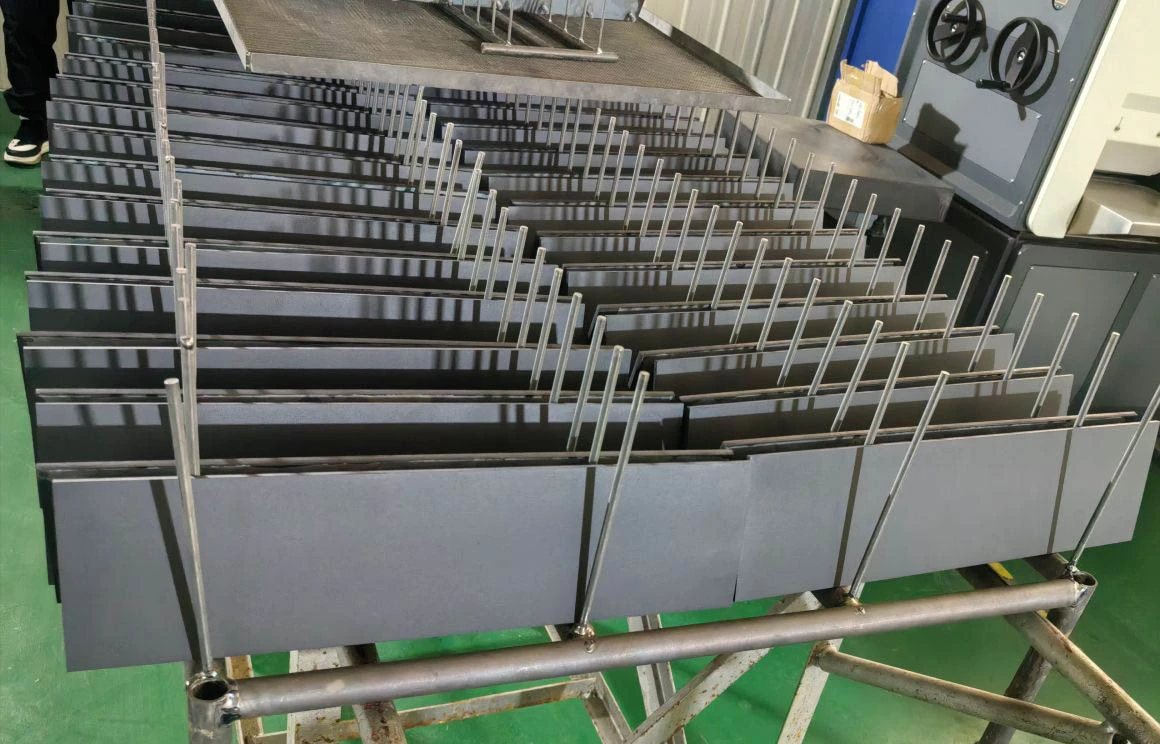
The coating on the electrode surface is another key factor affecting performance. High-quality titanium electrodes are typically coated with Mixed Metal Oxides (MMO), such as oxides of precious metals like ruthenium, iridium, and platinum. This coating improves chlorine generation efficiency and significantly extends electrode service life.
Cost Analysis of Titanium Electrodes
At first glance, the price of titanium electrodes may seem substantial. Depending on specifications and quality, prices can range from several hundred to over a thousand dollars. However, evaluating their value requires looking beyond initial cost and considering long-term benefits.
Service Life
Durability is a key factor in the cost-effectiveness of titanium electrodes. Lower-quality alternatives may require replacement every 2-3 years, while high-quality titanium electrodes can last 7-10 years with proper maintenance. Longer replacement cycles translate to lower long-term costs.
Energy Efficiency
The good conductivity of titanium electrodes means less electricity is needed to produce the same amount of chlorine compared to lower-quality alternatives. This efficiency advantage can translate into savings on electricity bills over time.
Maintenance Costs
Titanium electrodes have relatively low maintenance requirements. Their resistance to scaling and corrosion reduces cleaning frequency and minimizes the risk of performance degradation, resulting in less maintenance time and expense.
Quality Differences
It is important to recognize that quality varies among titanium electrodes. High-end electrodes with advanced MMO coatings, though higher in initial cost, typically offer more stable performance and longer service life. Choosing products from reputable manufacturers often provides more reliable operational assurance.
Value Beyond Price
Water Quality Assurance
Stable chlorine production ensures the pool remains consistently sanitary, reducing the risk of algae growth and bacterial contamination, providing swimmers with clearer and safer water.
Environmental Contribution
Salt chlorinators using titanium electrodes reduce reliance on chemical additives compared to traditional chlorine disinfection methods, decreasing the transportation and storage requirements for hazardous chemicals—a more environmentally friendly choice.
User Experience
The stable performance of high-quality titanium electrodes means fewer water quality issues, allowing pool owners to spend more time enjoying their pool rather than maintaining it. This peace of mind is especially valuable for families with children or those who frequently entertain guests.
Technological Innovation
High-quality titanium electrodes often incorporate the latest technological advancements. Some modern electrodes feature self-cleaning mechanisms or smart sensors that optimize chlorine production based on actual pool conditions, further improving efficiency and reducing maintenance requirements.
Compatibility
High-quality titanium electrodes are typically compatible with a wide range of salt chlorinator systems and can adapt to pools of different sizes and types. This flexibility provides convenience for future system upgrades.
Conclusion
Overall, the value of titanium electrodes extends far beyond their initial price. Although upfront investment may be higher, their long-term advantages in durability, efficiency, and performance make them a wise choice for pool owners seeking quality.
For more information about titanium electrodes or professional selection advice, please contact BAOJI NINGHAO INDUSTRY AND TRADE CO., LTD.: sales02@nh-ti.com
References
1. China Swimming Association. (2023). Technical Guidelines for Swimming Pool Water Quality Management.
2. BAOJI NINGHAO Technology Center. (2024). Research Report on the Performance of Titanium Electrodes in Salt Chlorinator Applications.
3. National Chemical Standardization Technical Committee. (2023). Technical Requirements for Anode Materials in Electrolytic Chlorine Generation.
4. International Journal of Electrochemical Science. (2023). Performance evaluation of titanium electrodes in salt chlorination systems.
5. Water Research. (2024). Long-term stability of coated titanium anodes in chlorine generation applications.
YOU MAY LIKE
_1767776137026.webp) VIEW MOREtitanium electrode for salt water electrolysis
VIEW MOREtitanium electrode for salt water electrolysis_1767843654655.webp) VIEW MOREmmo titanium electrodes
VIEW MOREmmo titanium electrodes- VIEW MOREgrade 2 titanium as anode
_1768295959432.webp) VIEW MOREtubular electrolyzer by Swirl electrolysis technology
VIEW MOREtubular electrolyzer by Swirl electrolysis technology_1768361974486.webp) VIEW MOREplatinized titanium for anodizing
VIEW MOREplatinized titanium for anodizing_1769069244861.webp) VIEW MORETitanium anode for sodium hypochlorite electrolysis
VIEW MORETitanium anode for sodium hypochlorite electrolysis_1770280550569.webp) VIEW MOREElectrolysis of water to produce titanium hydrogen anode
VIEW MOREElectrolysis of water to produce titanium hydrogen anode_1768466869877.webp) VIEW MOREMMO Titanium Electrode for Electrochemical OxidationWastewater Treatment
VIEW MOREMMO Titanium Electrode for Electrochemical OxidationWastewater Treatment