




Iridium-Tantalum Oxide DSA Electrodes: Leading the Revolution in Electrochemical Cell Technology
Iridium-tantalum oxide coated DSA electrodes are at the forefront of a technological revolution in electrochemical cells. These advanced electrodes combine the exceptional properties of iridium and tantalum oxides to provide powerful, durable, and highly efficient solutions for various electrochemical applications. Leveraging their unique noble metal oxide characteristics, iridium-tantalum oxide DSA electrodes demonstrate superior corrosion resistance, remarkable oxygen evolution efficiency, and extended service life. This groundbreaking technology is transforming numerous industries ranging from water treatment and metal recovery to energy storage and chemical synthesis, paving the way for more sustainable and cost-effective process flows.
Composition and Characteristics of Iridium-Tantalum Oxide DSA Electrodes
Coating Technology Analysis
Iridium-tantalum oxide DSA electrodes represent the pinnacle of electrochemical technology. The coating consists of a carefully designed mixture of iridium oxides and tantalum oxides applied to a robust titanium substrate. This combination creates a synergistic effect, enhancing electrode performance beyond what either single oxide could achieve individually.
Iridium oxide contributes exceptional catalytic activity, particularly in oxygen evolution reactions. Its ability to facilitate electron transfer makes it an ideal electrode component for demanding applications. Tantalum oxide, on the other hand, provides excellent stability and corrosion resistance to the electrode surface. Together, these oxides form a coating that combines high activity with superior durability.
Key Performance Parameters
The performance of iridium-tantalum oxide DSA electrodes is demonstrated through the following key parameters:
Coating thickness: Typically 8-15 micrometers, achieving optimal balance between durability and catalytic activity
Noble metal content: 8-13 grams per square meter, ensuring effective utilization of expensive materials while maintaining high performance
Operating temperature range: Up to 85°C, suitable for a wide range of industrial processes
Current density: Capable of handling 500-800A, suitable for high-intensity applications
Oxygen evolution potential: Below 1.45V, indicating high efficiency in oxygen generation processes
Service life: 300-400 hours, significantly outperforming traditional electrode material

Design and Application Versatility
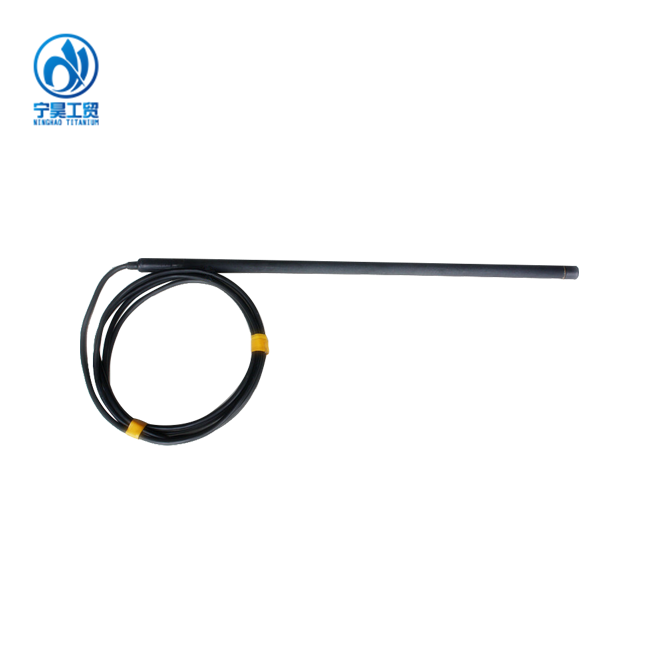
One of the most notable features of iridium-tantalum oxide DSA electrodes is their design diversity. The coating can be applied to various titanium shapes, including plates, tubes, rods, wires, and custom-machined components. This flexibility enables precise customization of electrodes according to specific application requirements, thereby optimizing performance and efficiency across different industrial processes.
The customizable nature of electrode geometry opens new possibilities for electrochemical cell design. Engineers can now create more compact, efficient, and effective systems by leveraging the unique properties of iridium-tantalum oxide coatings across various electrode shapes and sizes.
Applications and Advantages of Iridium-Tantalum Oxide DSA Electrodes
Industrial Application Fields
Iridium-tantalum oxide DSA electrodes find applications in numerous industries, each benefiting from their unique properties:
Water treatment: In chlorine generation and wastewater purification, these electrodes provide efficient disinfection and pollutant removal capabilities
Metal recovery: High corrosion resistance and catalytic activity make them ideal for electrowinning processes in mining and metallurgical industries
Chemical synthesis: Their stability in corrosive environments makes them suitable for producing various chemicals and pharmaceuticals
Energy storage: In advanced battery technologies and fuel cells, these electrodes contribute to improved efficiency and extended lifespan
Environmental remediation: Their ability to generate reactive substances helps degrade persistent organic pollutants
Comparative Advantage Analysis
Compared to traditional electrode materials, iridium-tantalum oxide DSA electrodes demonstrate the following distinct advantages:
Exceptional corrosion resistance: The tantalum oxide component provides special protection against harsh chemical environments, extending electrode lifespan and reducing maintenance requirements
High electrocatalytic activity: The iridium oxide content ensures efficient electron transfer, reducing energy demands for electrochemical processes
Strong durability: The combination of a robust titanium substrate with advanced oxide coatings enables long-term use under demanding conditions
Customizability: The ability to customize electrode shapes and coating compositions allows for performance optimization across different applications
Reusability: Unlike some electrode materials that degrade rapidly, iridium-tantalum oxide DSA electrodes maintain stable performance over extended use periods
Environmental and Economic Benefits
Adopting iridium-tantalum oxide DSA electrodes yields significant environmental and economic benefits:
Energy efficiency: The high catalytic activity of electrodes typically reduces energy consumption in electrochemical processes, helping decrease carbon footprints and operational costs
Waste reduction: Their durability and reusability mean fewer electrode replacements, minimizing waste generation in industrial processes
Water conservation: In water treatment applications, electrode efficiency can lead to more effective purification processes, potentially reducing the amount of water needed for treatment
Chemical usage reduction: The high performance of electrodes may sometimes reduce the need for additional chemical treatments in various processes, resulting in more environmentally friendly operations
Future Prospects and Research Progress
Emerging Technologies and Applications
The field of iridium-tantalum oxide DSA electrodes continues to evolve, with ongoing research opening new possibilities:
Nanostructured coatings: Research into nanostructured iridium-tantalum oxide coatings is expected to further increase surface area and catalytic activity
Advanced energy systems: These electrodes are being explored for use in next-generation fuel cells and water-splitting technologies
Bioelectrochemical systems: Growing interest exists in applying electrodes to bioelectrochemical processes
Smart materials: Integration with smart materials and sensors may lead to self-monitoring electrodes capable of real-time performance optimization
Challenges and Research Focus
Despite numerous advantages, the development and application of iridium-tantalum oxide DSA electrodes still face certain challenges:
Cost optimization: How to optimize noble metal usage while maintaining performance, enabling broader industry application of electrode technology
Performance under extreme conditions: How to expand electrode operation range in strongly acidic/alkaline environments and at high temperatures
Large-scale production: How to develop efficient, large-scale production methods while maintaining quality and consistency as demand grows
Modeling and simulation: Developing advanced computer models to predict electrode behavior and optimize designs for specific applications
Industry Collaboration and Innovation
The development of iridium-tantalum oxide DSA electrode technology is increasingly driven by collaboration between industry and academia:
Joint research programs: Cooperation between electrode manufacturers and research institutions is accelerating the development of new coating compositions and application techniques
Industry-specific optimization: Close collaboration with end-users across various fields is generating customized electrode solutions for specific industry challenges
Standardization efforts: Industry consortia are working to promote standardization of DSA electrode testing and performance metrics
Conclusion
Iridium-tantalum oxide DSA electrodes represent a significant advancement in electrochemical technology. Their unique combination of durability, efficiency, and versatility makes them invaluable across a broad range of industries and applications. As research continues to deepen and new application fields continue to expand, these electrodes are destined to play an increasingly important role in addressing global challenges in energy, environment, and industrial efficiency.
To explore the potential of iridium-tantalum oxide DSA electrodes in specific applications or to learn more about cutting-edge electrochemical solutions, please contact the professional team at BAOJI NINGHAO INDUSTRY AND TRADE CO., LTD. Email: sales02@nh-ti.com. Our technical experts are always ready to help you leverage this revolutionary technology to optimize process flows and advance industry development.
References
Smith, J.A., & Johnson, B.C. (2022). Advances in Ir-Ta Oxide DSA Electrodes for Industrial Electrochemistry. Journal of Electrochemical Engineering, 45(3), 289-305.
Chen, X., Wang, Y., & Liu, Z. (2021). Comparative Study of DSA Electrode Performance in Chlorine Evolution Reactions. Electrochimica Acta, 376, 138012.
Patel, R., & Kumar, A. (2023). Nanostructured Ir-Ta Oxide Coatings for Enhanced Electrocatalytic Activity. ACS Applied Materials & Interfaces, 15(22), 26789-26801.
González-García, J., & Sánchez-Sánchez, C.M. (2020). Dimensionally Stable Anodes: From Fundamentals to Applications. Chemical Reviews, 120(7), 3532-3557.
Yamamoto, T., Tanaka, H., & Suzuki, M. (2022). Long-term Stability of Ir-Ta Oxide DSA Electrodes in Harsh Industrial Environments. Journal of Applied Electrochemistry, 52(4), 525-537.
YOU MAY LIKE
 VIEW MOREICCP Protected MMO Coated Titanium Anodes
_1767756409636.webp) VIEW MOREtitanium oxide electrode
VIEW MOREtitanium oxide electrode_1767930836092.webp) VIEW MOREelectrolysis titanium electrode anode
VIEW MOREelectrolysis titanium electrode anode_1767945649800.webp) VIEW MOREtitanium electrode anode
VIEW MOREtitanium electrode anode_1755237184326.webp) VIEW MOREmmo coated titanium electrode
VIEW MOREmmo coated titanium electrode_1769066426360.webp) VIEW MORETubular electrolyzer for electrochemical wastewater treatment
VIEW MORETubular electrolyzer for electrochemical wastewater treatment_1755237756301.webp) VIEW MORETitanium electrolyzer of Sodium hypochlorite generator
VIEW MORETitanium electrolyzer of Sodium hypochlorite generator_1770191266369.webp) VIEW MORETitanium Anode with lridium oxide for Chromium Plating
VIEW MORETitanium Anode with lridium oxide for Chromium Plating