




Electrolytic Sodium Hypochlorite Generators: Pioneering a New Era of Eco-Friendly Sanitization
In today's world, where environmental awareness and public health are increasingly prioritized, innovative technologies such as electrolytic sodium hypochlorite generators are reshaping the landscape of the disinfection industry. These devices can produce highly effective disinfectants on-site, offering sustainable, cost-efficient, and reliable operation. This article delves into the multiple advantages, application scenarios, and positive impacts of electrolytic sodium hypochlorite generation technology across various industries.
The Scientific Principles of Electrolytic Sodium Hypochlorite Generation
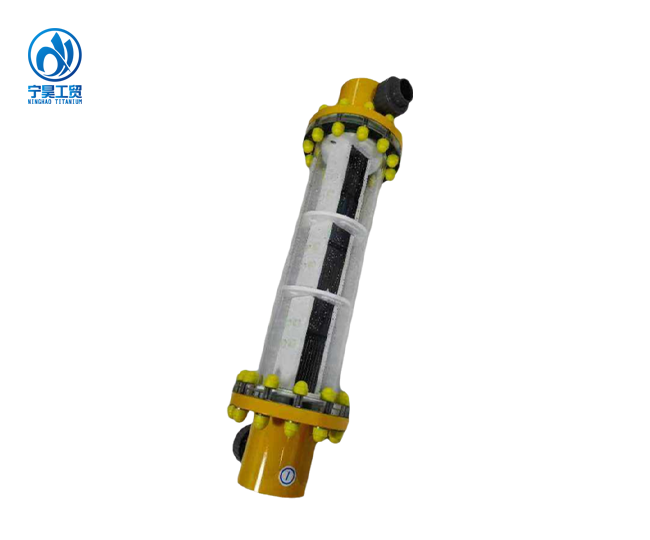
Electrolytic sodium hypochlorite generators achieve the precise control of the electrolysis process to convert a salt solution into a powerful disinfectant liquid. Through the action of electric current, sodium chloride (NaCl) molecules undergo an electrolytic reaction, producing sodium hypochlorite (NaClO), which exhibits strong disinfection properties.
The excellence of this technology lies in its simple and efficient production method. Using only salt, water, and electricity, it enables the continuous generation of disinfectant solutions without the need for transporting or storing hazardous chemicals. This not only reduces the carbon footprint associated with the production and distribution of traditional disinfectants but also completely eliminates the safety risks involved in storing and handling concentrated chemical substances.
The electrolysis process ensures a stable sodium hypochlorite concentration, typically maintained within the range of 0.5% to 1%. This concentration is suitable for the vast majority of disinfection scenarios. Its disinfecting efficacy is sufficient to eliminate various pathogens, including bacteria, viruses, and fungi, while remaining safe for a wide range of surfaces and materials when used as directed.
Multidisciplinary Applications of Electrolytic Sodium Hypochlorite
The versatility of electrolytic sodium hypochlorite generators makes them invaluable across numerous industries:
Water Treatment Sector: Municipal water treatment plants are gradually adopting electrolytic sodium hypochlorite generators as a safe alternative to chlorine gas disinfection. This on-demand production method ensures clean and safe drinking water for communities while significantly reducing the risks associated with the storage and handling of hazardous chemicals.
Healthcare Institutions: Hospitals, clinics, and long-term care facilities benefit from the convenience and efficiency of on-site sodium hypochlorite generation. The ability to continuously produce disinfectants helps maintain high standards of hygiene and effectively prevents healthcare-associated infections.
Food and Beverage Industry: This technology plays a crucial role in ensuring food safety. It can be used for disinfecting food processing equipment, production surfaces, and fresh agricultural products, helping to prevent foodborne illnesses and extend the shelf life of perishable goods.
Aquaculture Industry: Aquaculture farms utilize electrolytic sodium hypochlorite for water treatment in breeding ponds. It helps maintain optimal water quality, effectively controls pathogens, and creates a healthy growth environment for aquatic organisms.
Hospitality and Tourism Sector: Hotels, resorts, and cruise ships employ this technology to disinfect swimming pools, spa facilities, and other water bodies. This ensures guest safety while reducing the reliance on traditional pool chemicals and their associated storage and handling requirements.
Industrial Applications: Various industries, including pharmaceuticals, electronics, and textiles, use electrolytic sodium hypochlorite in processes such as wastewater treatment, surface disinfection, and bleaching.
Environmental and Economic Benefits Analysis
Adopting electrolytic sodium hypochlorite generator technology offers multiple environmental and economic advantages:
Reduced Carbon Footprint: On-site production eliminates the need for transporting and storing pre-made disinfectants, significantly reducing carbon emissions associated with traditional disinfection methods. It also avoids the environmental impacts of chemical packaging, transportation, and container disposal.
Enhanced Safety: The on-demand production method removes the risks associated with storing large quantities of hazardous chemicals. This not only improves workplace safety but also minimizes the potential for environmental contamination in the event of leaks or accidents.
Cost Efficiency: Although initial equipment investment requires a certain cost, long-term operation significantly reduces expenses related to chemical procurement, transportation, and storage. The required raw materials (salt and water) are low-cost and easily accessible.
Stable Quality: The electrolytic production method ensures a consistently stable concentration of sodium hypochlorite solution, avoiding degradation issues that may occur during the storage or transportation of pre-made disinfectants. This guarantees reliable disinfection outcomes.
Water Resource Conservation: In applications such as swimming pool maintenance, precise control of chlorine levels reduces the need for frequent water changes, achieving effective conservation of water resources.
Reduced Chemical Waste: On-site production eliminates the need to dispose of expired or unused chemicals, lowering the environmental burden associated with chemical waste management.
Optimized Energy Efficiency: Modern electrolytic sodium hypochlorite generators are designed with a focus on energy efficiency. Many systems are equipped with advanced power management functions that optimize electricity consumption, further reducing operating costs and environmental impact.
With the continuous advancement of electrolytic sodium hypochlorite generation technology, even higher efficiency and broader applications are anticipated in the future. As various industries gain deeper understanding of the advantages of this technology, wider adoption is expected, driving further technological innovations and collectively promoting global sustainable development and public health goals.
Conclusion
Electrolytic sodium hypochlorite generators represent the forefront of green disinfection technology development, offering a powerful solution to meet modern disinfection needs. Their ability to produce efficient, safe, and environmentally friendly disinfectants on-site is transforming operational models across multiple industries and setting new standards for global hygiene and safety practices.
For more information about electrolytic sodium hypochlorite generator technology and its applications, or to explore how this technology can meet your specific needs, please feel free to contact the technical team at BAOJI NINGHAO INDUSTRY AND TRADE CO., LTD. Email: sales02@nh-ti.com. Let us jointly advance the future development of green disinfection technology and build a more sustainable and safer hygienic environment.
References
1. White, G. C. (2010). Handbook of Chlorination and Alternative Disinfectants. John Wiley & Sons.
2. World Health Organization. (2017). Guidelines for Drinking-water Quality: Fourth Edition Incorporating the First Addendum. WHO Press.
3. Hoff, J. C., & Geldreich, E. E. (1981). Comparison of the biocidal efficiency of alternative disinfectants. Journal of the American Water Works Association, 73(1), 40-44.
4. Deborde, M., & von Gunten, U. (2008). Reactions of chlorine with inorganic and organic compounds during water treatment—Kinetics and mechanisms: A critical review. Water Research, 42(1-2), 13-51.
5. American Water Works Association. (2013). Water Chlorination/Chloramination Practices and Principles. AWWA Manual M20.
YOU MAY LIKE
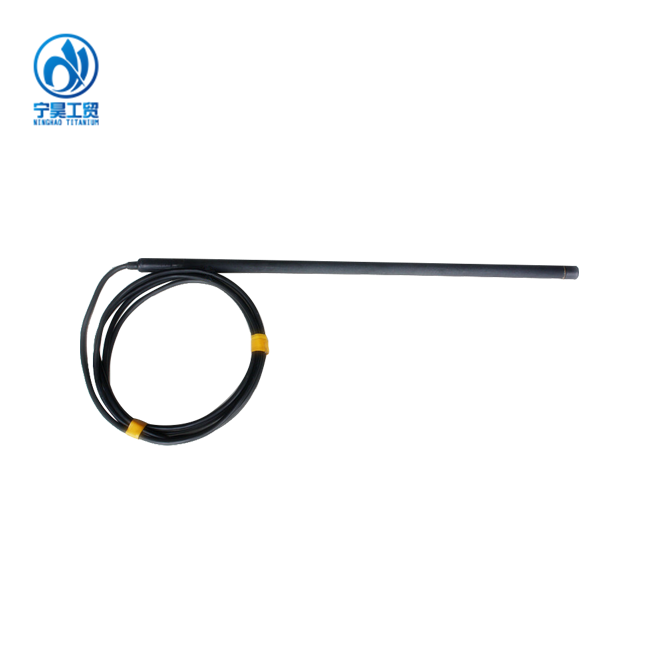 VIEW MOREICCP Protected MMO Coated Titanium Anodes
- VIEW MORETitanium anodes for soil cathodic protection
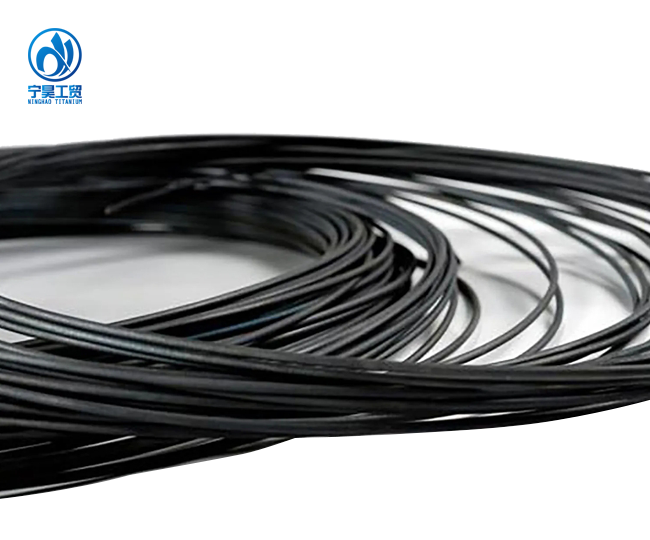 VIEW MOREMMO titanium wire anode
_1767944398226.webp) VIEW MOREtitanium electrode for electrolysis
VIEW MOREtitanium electrode for electrolysis_1768298165832.webp) VIEW MOREMMO Anode for Zinc Electrowinning Cell
VIEW MOREMMO Anode for Zinc Electrowinning Cell_1770191266369.webp) VIEW MORETitanium Anode with lridium oxide for Chromium Plating
VIEW MORETitanium Anode with lridium oxide for Chromium Plating_1768806515726.webp) VIEW MORERuthenium lridium Titanium Anode for Brine Anti-fouling
VIEW MORERuthenium lridium Titanium Anode for Brine Anti-fouling_1768809598553.webp) VIEW MOREMMO Anode for Ammonia Removal
VIEW MOREMMO Anode for Ammonia Removal