




Analysis of the Core Advantages of Platinum-Titanium Anodes
In the field of electrochemistry, platinum-titanium anodes have emerged as a transformative technology, driving innovation and upgrading across numerous industrial processes. These electrodes skillfully combine the exceptional catalytic properties of platinum with the robust durability of titanium, providing efficient and reliable solutions for various industries. This article delves into the technical principles, broad applications, and core value of platinum-titanium anodes.
Technical Principle: Material Synergy, Outstanding Performance
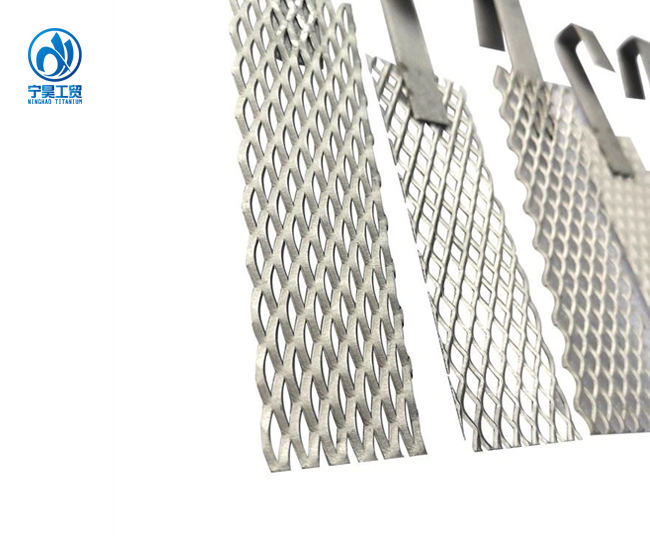
Platinum-titanium anodes adopt a composite structure design of "titanium substrate-platinum coating." The substrate is made of high-strength, lightweight, corrosion-resistant titanium, with its surface coated with a highly catalytically active platinum layer through precise processes such as electrodeposition and thermal decomposition. This combination not only leverages platinum's high efficiency in electrochemical reactions but also utilizes titanium's structural stability in harsh environments, creating a complementary synergy.
The uniformity and adhesion of the platinum coating are key to ensuring anode performance. Its standout advantage lies in its exceptional electrochemical stability—even under highly corrosive or high-potential operating conditions, the platinum layer remains intact over the long term, with slow decay in catalytic activity. This endows the anode with a long service life and stable output performance, significantly reducing maintenance costs and downtime risks in industrial applications.
Application Areas: Broad Coverage, Significant Results
The exceptional performance of platinum-titanium anodes has led to their widespread adoption in several key industries:
Water Treatment Industry
Used in on-site electrolytic sodium hypochlorite generation systems for disinfection. Compared to traditional chemical dosing methods, this approach is safer and more economical. Platinum-titanium anodes efficiently promote chloride ion conversion, reduce side reactions, and enhance disinfection efficiency and water quality safety.
Electroplating and Surface Treatment
In precious metal plating (e.g., gold, silver), platinum-titanium anodes provide exceptionally uniform current distribution, contributing to dense, bright, and strongly adherent coatings, significantly improving product quality and yield rates.
Cathodic Protection
As a key component of impressed current cathodic protection systems, platinum-titanium anodes are used to protect critical infrastructure such as subsea pipelines, dock steel piles, and tank bottoms. Their low consumption rate and high reliability make them particularly suitable for long-term, maintenance-free protection needs.
Chemical and Energy Sectors
Platinum-titanium anodes also demonstrate advantages in terms of high efficiency and long lifespan in processes such as the chlor-alkali industry, fuel cells, and water electrolysis for hydrogen production, supporting clean production and energy conversion.
Core Advantages: High Efficiency, Durability, and Green Economics
The advantages of platinum-titanium anodes are reflected across multiple dimensions:
| Advantage Dimension | Technical Performance | Practical Value |
|---|---|---|
| High Efficiency and Stability | Excellent catalytic activity, low reaction overpotential | Energy consumption reduced by 15-30%, improved current efficiency |
| Extended Service Life | 5-8 years under normal operating conditions | Reduced replacement frequency, lower maintenance costs |
| Environmental Friendliness | No leaching contamination, replaces hazardous chemicals | Compliant with environmental requirements, enhanced safety |
| Full Lifecycle Economics | Comprehensive cost superior to traditional anodes | Typical payback period of 2-3 years |
Technological Development Trends
As industrial demands for process efficiency, product quality, and environmental requirements continue to rise, the application prospects for platinum-titanium anodes will become even broader. Future development directions include:
Coating Optimization: Development of nanostructured coatings to further enhance catalytic efficiency and adhesion.
Cost Control: Low-platinum/platinum-free coating technologies to reduce precious metal usage.
Smart Integration: Embedding sensors for real-time monitoring and early warning of electrode status.
Application Expansion: Playing a role in emerging fields such as hydrogen energy and carbon dioxide electroreduction.
Selection Recommendations
When selecting platinum-titanium anodes, the following points are recommended:
Operating Condition Matching: Select appropriate coatings based on electrolyte composition, temperature, and current density.
Quality Verification: Pay attention to coating uniformity, adhesion, and electrochemical performance indicators.
Supplier Evaluation: Assess technical capabilities, quality control systems, and after-sales service.
Conclusion
With their comprehensive advantages of high efficiency, durability, and environmental friendliness, platinum-titanium anodes have become an important choice for upgrading electrochemical processes. Through scientific selection and standardized maintenance, enterprises can fully realize their technical value, achieving both cost reduction and efficiency improvement as well as green development goals.
For professional recommendations tailored to your specific application, please contact BAOJI NINGHAO INDUSTRY AND TRADE CO., LTD.: sales02@nh-ti.com
References
1. China Nonferrous Metals Industry Association. (2023). Technical Specifications for Precious Metal Coated Titanium Anodes.
2. Journal of The Electrochemical Society. (2024). Performance evaluation of platinum-coated titanium anodes in industrial applications.
3. BAOJI NINGHAO Technology Center. (2024). Research Report on Application Performance of Platinum-Titanium Anodes Under Different Operating Conditions.
4. National Chemical Standardization Technical Committee. (2023). Technical Requirements for Anode Materials in Electrochemical Applications.
5. Electrochimica Acta. (2023). Advances in platinum-based anodes for electrochemical processes.
YOU MAY LIKE
_1755236611966.webp) VIEW MORETitanium Electrode for Electrochemical Oxidation
VIEW MORETitanium Electrode for Electrochemical Oxidation VIEW MORESwirl point dissolving titanium anode rod
_1768204699909.webp) VIEW MOREelectrolytic anodize titanium
VIEW MOREelectrolytic anodize titanium_1755237264378.webp) VIEW MOREdsa coating titanium anode
VIEW MOREdsa coating titanium anode_1755237824861.webp) VIEW MORETitanium anode for disinfection
VIEW MORETitanium anode for disinfection VIEW MORElridium-tantalum coated titanium anode for Copper Plating
_1770191266369.webp) VIEW MORETitanium Anode with lridium oxide for Chromium Plating
VIEW MORETitanium Anode with lridium oxide for Chromium Plating_1770362216786.webp) VIEW MORERuthenium-coated titanium anode for EDI/EDR electrodialysis
VIEW MORERuthenium-coated titanium anode for EDI/EDR electrodialysis